McDonald’s $8.5B Plan Fuels Franchisee Growth and Upgrades
McDonald’s plans $8.5B in franchisee support to modernize restaurants, improve efficiency and strengthen long-term systemwide growth worldwide now.
Fast-Food Giant Plans Major Investment as Competition Intensifies
McDonald’s is preparing one of its largest franchisee support initiatives in years, committing approximately $8.5 billion through 2036 to modernize restaurants, introduce new technology and strengthen store-level economics.
The investment is part of the company’s McDonald’s > NEXT strategy, a long-term growth and productivity plan designed to help the restaurant giant compete for more customer visits while making its locations more efficient to operate.
Approximately $5 billion of the planned support is expected to reach the system by 2030. McDonald’s intends to provide assistance through a combination of capital support and rent relief, reducing some of the financial burden franchisees could otherwise face as restaurants undergo significant upgrades.
For a company where nearly 95% of restaurants worldwide are operated by independent franchisees and licensees, owner participation will be critical to the strategy’s success.
Franchisee Economics Take Center Stage
Restaurant upgrades can create considerable financial pressure for franchise operators, particularly when construction, equipment, labor and technology costs remain elevated.
McDonald’s appears to be addressing that concern by connecting its modernization program directly to restaurant-level returns.
The company is targeting approximately 250 basis points of gross restaurant-level efficiency improvement across its U.S. and International Operated Markets.
For an average McDonald’s restaurant in the United States, those improvements could translate into approximately $100,000 in additional annual cash flow once the program is fully implemented.
McDonald’s estimates franchisees could achieve an approximately four-year payback on their investment after company support is factored in.
That financial framework is significant because modernization programs across large franchise systems typically depend heavily on whether operators believe new investments will improve restaurant profitability.
Restaurants Will Receive More Than Cosmetic Upgrades
The NEXT strategy extends well beyond remodeled dining rooms.
McDonald’s wants to simplify restaurant operations, deploy new technology and make restaurants easier for employees to operate while improving speed and consistency for customers.
The company is also developing ArchIQ, a technology platform that incorporates generative artificial intelligence into restaurant operations.
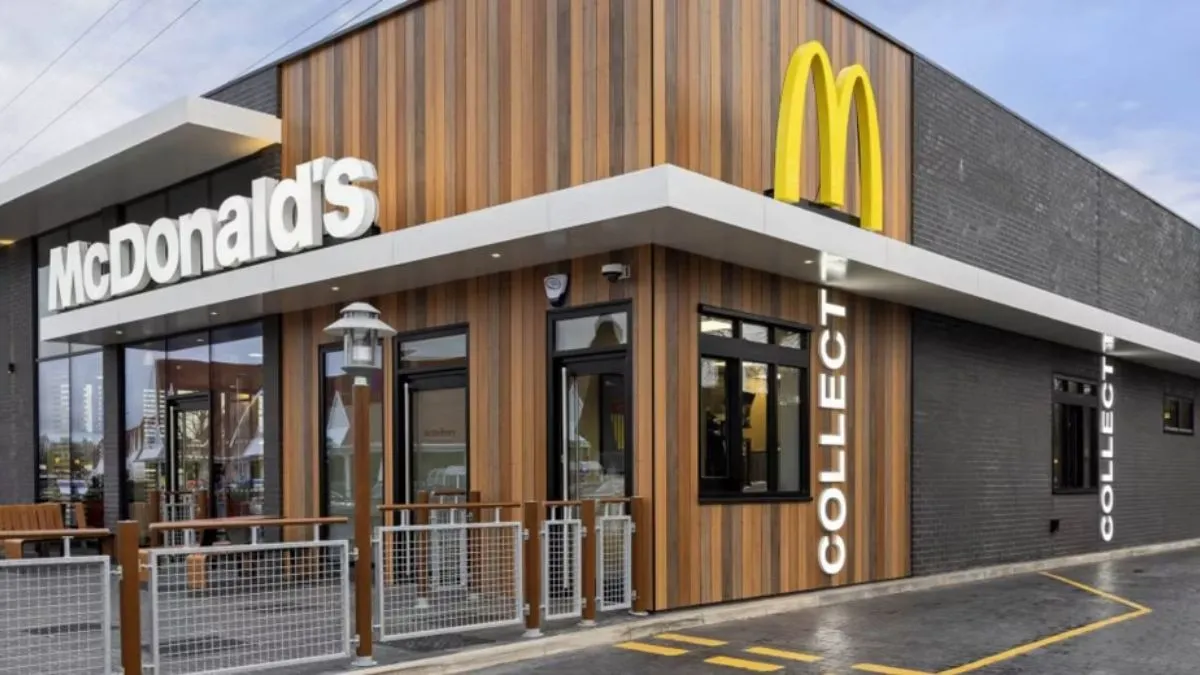
Future McDonald’s locations and remodels could include improvements to dining areas, more visible McCafé beverage preparation, updated play areas and features designed to handle the growing volume of digital, delivery and pickup orders.
The objective is to build restaurants that can serve customers across multiple ordering channels without increasing operational complexity.
Chicken and Beverages Become Bigger Growth Priorities
McDonald’s is also sharpening its menu strategy as competition increases across several important quick-service restaurant categories.
Chicken and beverages are among the biggest opportunities.
By 2030, McDonald’s wants to gain approximately 1.5 percentage points of market share in both categories while protecting its leadership position in beef.
Chicken has become an increasingly competitive segment as established restaurant chains and emerging concepts continue expanding sandwiches, tenders, wraps and other chicken-focused products.
Beverages represent another large opportunity as specialty coffee, refreshers, energy drinks and customized cold beverages attract customers outside traditional meal occasions.
McDonald’s has already been testing and introducing additional beverage concepts and plans further menu innovation as part of NEXT.
Customer Experience Gets Its Own Overhaul
Operational efficiency is only one side of the strategy.
McDonald’s is also launching a multiyear initiative called Make It Golden, focused on strengthening food quality, hospitality and restaurant execution.
The company wants better technology to support—not replace—the customer experience.
As mobile ordering, kiosks, loyalty programs and automated restaurant systems become more common, McDonald’s is placing renewed emphasis on the interaction between employees and customers.
That effort is expected to include employee training as the company works to improve service consistency across its massive restaurant network.
Digital Scale Gives McDonald’s Another Advantage
Technology has become increasingly important to McDonald’s growth model.
The company now has nearly 220 million active loyalty users across approximately 70 markets, giving it an enormous pool of customer data that can be used to personalize offers, improve frequency and better understand purchasing behavior.
McDonald’s serves more than 70 million customers every day, making even small improvements in order frequency, speed of service or average spending potentially significant at the system level.
NEXT is designed to combine that scale with improved restaurant operations.
McDonald’s Sets Ambitious Financial Targets
The company expects the strategy to produce benefits beyond individual franchise locations.
McDonald’s is targeting an operating margin in the low-to-mid 50% range by 2030.
Restaurant expansion is also expected to remain an important growth engine. New unit development is projected to contribute approximately 2.5% to systemwide sales growth in 2027 before moderating to around 2% by 2030.
The company expects baseline annual capital expenditures of approximately $3 billion between 2027 and 2030, along with additional capital dedicated to accelerating restaurant modernization.
What the Investment Means for McDonald’s Franchisees
The scale of McDonald’s $8.5 billion commitment illustrates how closely franchisor growth and franchisee economics are connected.
McDonald’s can develop new technology, products and restaurant designs at the corporate level, but thousands of independent operators ultimately have to implement those changes.
Providing rent relief and capital support could make it easier for franchisees to participate while keeping restaurant-level returns at the center of the modernization program.
For McDonald’s, NEXT represents a long-term bet that better restaurants, stronger franchisee economics, improved hospitality and more competitive menu categories can work together.
As competition for quick-service restaurant customers becomes increasingly intense, the Golden Arches are investing heavily to ensure both the brand and its franchise operators are positioned for the next decade of growth.
Explore more about McDonald's Franchise opportunities.
Inspired by Weed Man's growth story?
Explore franchise opportunities and build your own legacy.
Explore OpportunitiesGet the latest franchise insights
Subscribe to our newsletter and never miss an updated.