


Established
2012
Franchise Units
200
Minimum Investment
₹ 6,00,000
Franchise Fee
₹ 2,50,000
Total Investment Range
₹ 10,00,000
Home Based
No
Description
If there is one category of food that rules the Indian palate, it is street food. However, as consumers become more health-conscious, they face a common dilemma: they crave the spicy, tangy flavors of traditional chaat, but they are increasingly wary of roadside hygiene. This massive gap in the market is exactly where Chaat Adda has positioned itself.
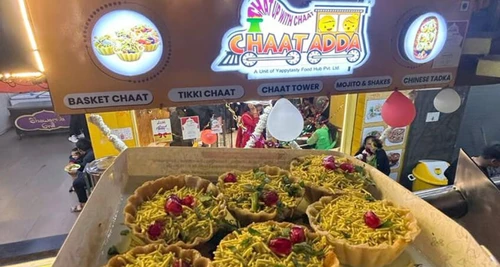
Chaat Adda takes the unorganized, heavily fragmented Indian street food market and packages it into a highly standardized, ultra-hygienic, and modernized Quick Service Restaurant (QSR) format. The brand serves over 100 varieties of fast food—including classic panipuri, diverse chaat variations, pav bhaji, sandwiches, customized pizzas, burgers, and mocktails.
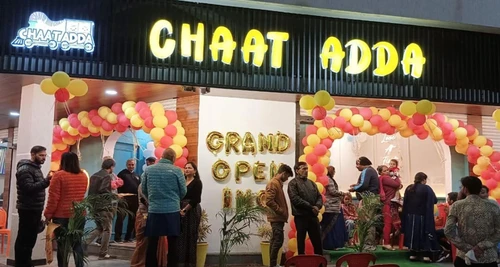
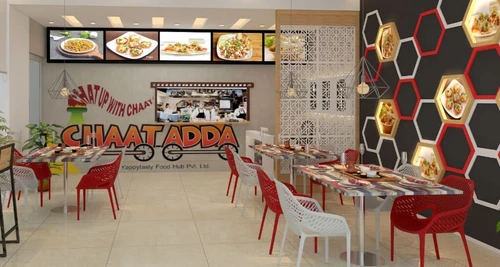
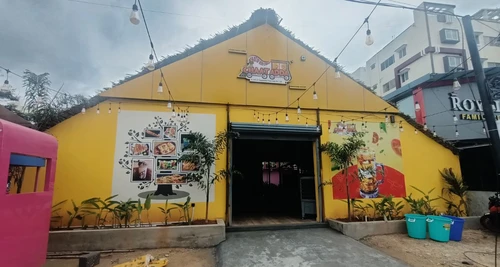
By operating out of compact, well-designed outlets rather than open-air carts, Chaat Adda gives customers a safe, comfortable, and interactive in-store experience without losing the authentic, affordable street-side taste. For an entrepreneur looking to tap into India’s recession-proof street food industry, Chaat Adda offers a highly scalable business model that commands instant consumer trust.
Background
Before putting your money into a brand, you need to know who is behind it and how they have grown.
Year Established: The company and its franchise operations were officially launched in 2012.
Founder: The brand was founded by Teena Yogi, who envisioned standardizing the beloved street food of India.
Headquarters: The company's roots and head office are located in the street food capital of Central India: Indore, Madhya Pradesh.
Market Presence & Active Units: Chaat Adda has grown aggressively through the franchise route. Today, the brand operates nearly 200 outlets (roughly 198 active units) spreading across more than 22 states in India.
Industry Category: Food & Beverage / Fast Food QSR (Quick Service Restaurant).
Support Training
A major reason first-time business owners choose Chaat Adda is the heavy lifting the franchisor does on the back end. They don't just hand you a brand name; they provide a complete plug-and-play system.
1. Pre-Launch Assistance
Site Selection: The location survey team helps you identify prime real estate, ensuring the spot has the necessary footfall to make the business viable.
Setup & Equipment: The franchise kit covers the delivery of all heavy kitchen machinery (electric fryers, pizza ovens, specialized chaat tables, commercial refrigeration) and initial raw materials right to your doorstep.
Aggregator Onboarding: The brand handles the tedious paperwork required to get your outlet registered and visible on food delivery giants like Swiggy and Zomato.
2. Operational & Staff Training
In-Store Training: Staff members are not expected to figure it out on their own. The brand provides extensive in-store training for the first 15 days, alongside audio and video operating manuals for long-term reference.
SOPs: Everything from how long to fry a snack to how to plate a dish is heavily documented in detailed Standard Operating Procedures to ensure maximum efficiency.
3. Marketing Support
Digital Presence: The head office runs centralized local SEO, Facebook, and Instagram advertising campaigns for your specific outlet.
Physical Marketing: You receive a startup kit complete with banners, pamphlets, and hoarding designs to announce your grand opening to the neighborhood.
4. Ongoing Support
Menu Development: The in-house food technologists continually research and launch new menu items so the brand never feels stale to returning customers.
Software & Tech: Franchisees are provided with a complete online accounting system and POS (Point of Sale) software to track inventory, sales, and employee performance remotely.
Ideal Candidate
Chaat Adda is a highly accessible franchise, but the franchisor has specific requirements for their partners to maintain brand integrity.
Mindset & Background: You do not necessarily need a hospitality background, though prior experience in managing a restaurant or retail outlet is highly preferred. The ideal candidate is deeply passionate about food quality and is willing to follow a strict system rather than trying to reinvent the wheel.
Staffing: You must be capable of hiring and managing a small, efficient crew of 2 to 4 staff members.
Location Criteria: The property can be owned, rented, or leased. You will need a commercial space on the ground floor with a minimum area of 150 to 300 sq. ft. The shop must have basics like a dedicated water connection and stable electricity.
Target Demographics: Outlets perform best in high-visibility, high-footfall areas. Ideal locations include commercial high streets, spaces near railway stations and bus stands, bustling shopping malls, and densely populated student hubs (near schools or colleges).
Financial Detail
Transparency in capital requirements is critical. Chaat Adda is structured as a low-cost, high-return business model. Here is exactly what it takes to get the doors open and what you can expect to earn.
| Financial Metric | Details |
| Total Investment Range | ₹6,00,000 to ₹10,00,000 (depending on city and interior scale) |
| Franchise / Brand Fee | ₹2,50,000 to ₹3,00,000 (One-time, non-refundable) |
| Infrastructure & Equipment | Approx. ₹3,50,000 to ₹5,00,000 (Includes heavy kitchen equipment, stainless steel tables, furniture, and initial store interiors) |
| Initial Raw Material (Stock) | Approx. ₹1,50,000 (Included in the total startup cost) |
| Working Capital Requirement | It is advised to keep ₹1,00,000 to ₹1,50,000 on hand for initial rent, salaries, and localized buffer expenses. |
| Marketing Budget | Base materials are provided by the brand. Digital ad spends are managed centrally. |
| Royalty Fees | 0% for the first 5 years. You operate on a flat 100% revenue share. After 5 years, a 3% royalty on top-line revenue is charged. |
| Franchise Agreement Term | 3 to 5 years, renewable (Renewal fee is generally ₹2.5 Lakhs). |
| Expected Net Profit Margin | 30% to 45% on total monthly sales. |
| Estimated Break-Even Time | 6 to 12 months, depending on daily footfall and operational control. |