


Established
1972
Franchise Units
200
Minimum Investment
$1,600,000
Franchise Fee
$40,000
Total Investment Range
$3,200,000
Home Based
No
Description
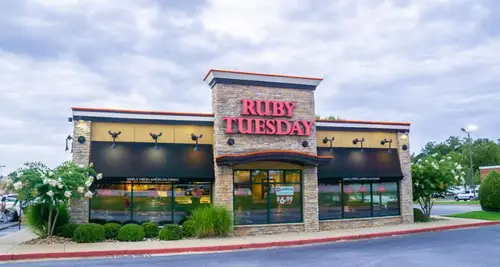
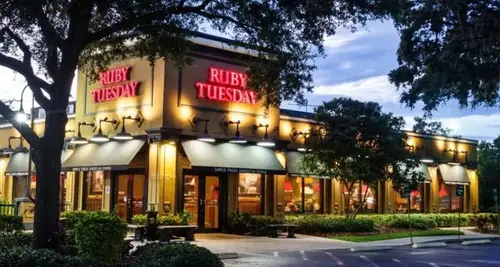
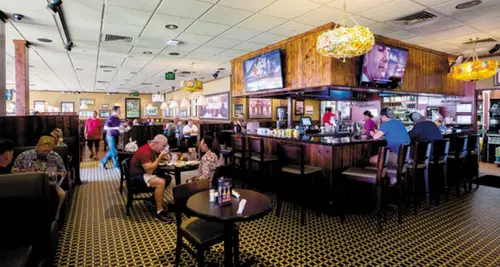
The Ruby Tuesday franchise represents a well-established name in American casual dining, known for its approachable atmosphere, broad menu appeal, and strong brand recognition built over decades. Positioned between fast-casual and fine dining, Ruby Tuesday delivers a polished yet comfortable experience that attracts families, professionals, and social diners alike.
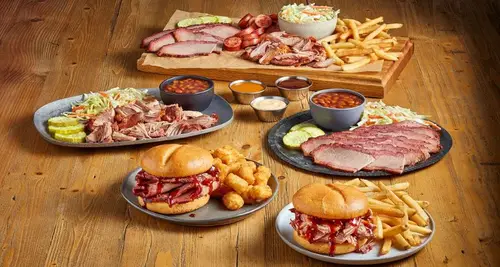
The brand is widely recognized for its signature Garden Bar, handcrafted burgers, steaks, ribs, seafood, and American comfort favorites—offering franchisees a menu that balances familiarity with variety. This versatility allows Ruby Tuesday restaurants to perform across lunch, dinner, weekend, and bar-centric dayparts, maximizing revenue opportunities in diverse markets across the United States.
For investors seeking a full-service restaurant franchise with a proven operating model, national brand equity, and structured corporate support, Ruby Tuesday offers an opportunity to enter the competitive casual dining sector with a brand that consumers already know and trust.
Why Invest in This Franchise?
Investing in a Ruby Tuesday franchise provides several compelling advantages for serious restaurant investors and multi-unit operators:
-
Strong Brand Recognition – Decades of presence in the U.S. dining market with high consumer recall
-
Proven Casual Dining Model – Balanced menu and bar program suited for multiple dayparts
-
Broad Customer Appeal – Families, working professionals, and social diners
-
Operational Systems in Place – Standardized processes for food, service, and management
-
Menu Flexibility – Ability to adapt promotions and limited-time offers to local markets
-
Alcohol Sales Upside – Bar and beverage programs add high-margin revenue streams
-
Scalable Opportunity – Suitable for single-unit owners and multi-unit franchise groups
Background
- Established Year: 1972
- Founders: Sandy Beall, Tommy Webb, and Bill Terry
- Industry Category: Casual Dining / Full-Service Restaurant
- Franchise Active Units : 200+
Ruby Tuesday began as a single restaurant near the University of Tennessee campus, originally focused on simple burgers and sandwiches. Over time, the brand evolved into a nationally recognized casual dining chain, expanding its menu, bar program, and dining experience to meet changing consumer expectations.
The company experienced significant growth through franchised and company-owned locations across the United States. Today, Ruby Tuesday operates with a refined focus on core markets, improved restaurant economics, and an updated brand strategy designed to strengthen unit-level performance.
Support Training
Ruby Tuesday offers comprehensive franchise support designed to guide owners from site selection through long-term operations:
Pre-Launch Support
-
Site evaluation and market analysis
-
Restaurant design standards and layout guidance
-
Vendor and supply chain integration
-
Pre-opening planning and checklist support
Training Programs
-
Initial franchisee and management training programs
-
Kitchen operations, food safety, and quality control
-
Front-of-house service standards and guest experience training
-
Bar operations and beverage compliance training
Operational Support
-
Ongoing field support and operational audits
-
Standard operating procedures (SOPs) and manuals
-
Labor optimization and cost-control strategies
-
Technology systems for POS, inventory, and reporting
Marketing & Brand Support
-
National and regional marketing initiatives
-
Digital marketing frameworks and promotional calendars
-
Menu updates and limited-time offers
-
Brand standards and local store marketing guidance
This layered support structure helps franchisees maintain consistency, control costs, and focus on profitability.
Ideal Candidate
Ruby Tuesday is best suited for franchisees who bring both capital strength and operational discipline:
-
Restaurant or Hospitality Experience: Preferred, especially in full-service dining
-
Multi-Unit Mindset: Ideal for groups looking to scale across territories
-
Strong Leadership Skills: Ability to manage large teams and service standards
-
Financial Capability: Comfortable with higher investment restaurant concepts
-
Hands-On or Semi-Absentee Operators: Active oversight improves results
-
Location Preference: Suburban corridors, retail centers, lifestyle plazas, and high-traffic areas
Franchisees who understand guest experience, labor management, and cost control tend to perform best in this model.
Financial Detail
| Cost Head | Estimated Amount (USD) |
|---|---|
| Total Investment | $1,600,000 – $3,200,000 |
| Minimum Investment | $1,600,000 |
| Franchise Fee | ~$40,000 |
| Leasehold Improvements / Build-Out | $900,000 – $1,800,000 |
| Furniture, Fixtures & Equipment (FF&E) | $300,000 – $600,000 |
| Signage & Décor | $50,000 – $120,000 |
| Initial Inventory & Supplies | $30,000 – $70,000 |
| Technology / POS Systems | $20,000 – $50,000 |
| Pre-Opening & Grand Opening Marketing | $50,000 – $100,000 |
| Training & Pre-Opening Expenses | $30,000 – $75,000 |
| Working Capital (3–6 months) | $150,000 – $300,000 |
| Royalty Fee | ~4% – 5% of Gross Sales |
| Marketing / Advertising Fee | ~2% – 3% of Gross Sales |
| Estimated Break-Even Period | 30 – 48 months |
| Expected ROI | Market & operations dependent |