Döner Haus Franchise Growth Driven by QSR Technology
How Technology Is Powering the Rapid Expansion of Döner Haus Franchise
The quick-service restaurant (QSR) sector is evolving fast, and brands that integrate technology into their core operations are gaining a clear advantage. Döner Haus is one of those emerging concepts, using a fully tech-enabled model to drive growth, efficiency, and systemwide consistency across its expanding U.S. footprint.
Since its debut in New York City in 2023, the Berlin-inspired kebab concept has moved quickly into franchising, securing more than 50 awarded locations and building a strong development pipeline across multiple high-demand markets. At the heart of this growth is a deliberate strategy: design a restaurant system where technology is embedded from day one.
A Technology-First QSR Model Built for Scale
Unlike traditional restaurant concepts that adopt digital tools over time, Döner Haus was engineered with technology as a foundational element. Every aspect of the business—from ordering to reporting—has been structured to maximize efficiency and minimize operational friction.
Self-service kiosks reduce reliance on front-counter staff while accelerating order processing. Integrated systems streamline workflows and ensure accuracy, helping franchisees maintain speed and consistency even during peak hours. This approach allows operators to run leaner teams without compromising service quality.
From Market Gap to Scalable Concept
The idea behind Döner Haus was rooted in a clear market opportunity. Döner kebabs, a staple across Europe, had yet to achieve mainstream adoption in the United States. Recognizing this gap, the brand’s founder leveraged his business and analytics background to build a concept that combines authentic cuisine with a scalable operational model.
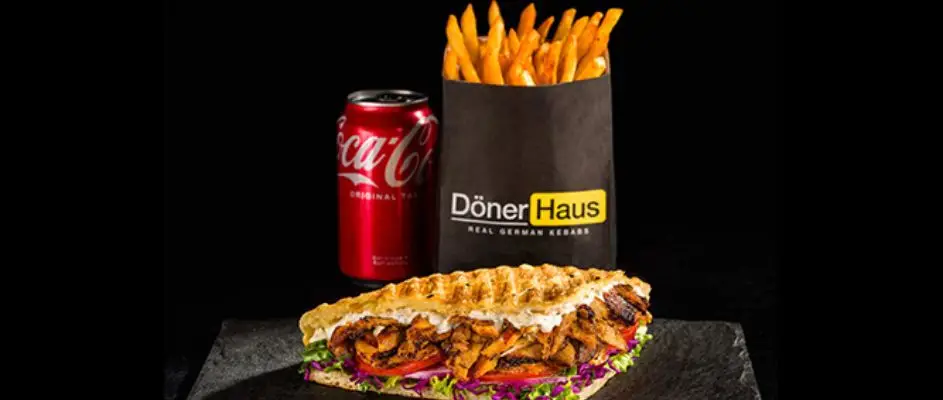
The menu is intentionally focused, featuring Berlin-style döner made with high-quality ingredients, including halal meats and fresh vegetables. This streamlined offering not only supports brand consistency but also simplifies kitchen operations, reducing complexity for franchisees.
Compact Footprint, High Efficiency
Efficiency extends beyond the menu into the physical design of each location. Döner Haus operates with a compact footprint, often as small as 700 square feet, making it well-suited for dense urban environments and high-traffic areas.
The brand’s technology infrastructure supports this smaller format by optimizing ordering, preparation, and fulfillment processes. Combined with a strong takeout and delivery model, franchisees can maximize revenue potential without the overhead of large dining spaces.
End-to-End Systems That Simplify Operations
Behind the scenes, Döner Haus has developed a comprehensive suite of internal tools that enhance operational control and transparency. These systems cover inventory management, staff training, task execution, and performance tracking.
A centralized franchisee platform provides access to training materials, operational procedures, and real-time task verification. This ensures that teams can execute consistently across all locations, regardless of experience level.
In addition, advanced reporting capabilities give franchisees clear insights into key performance metrics, enabling smarter, data-driven decisions at the unit level.
Consistency Across a Growing Network
One of the biggest challenges in franchising is maintaining uniform standards across multiple locations. Döner Haus addresses this challenge through its integrated technology ecosystem, which standardizes processes and reduces variability.
By aligning front-end and back-end systems, the brand creates a repeatable operating environment that supports scalability. Franchisees benefit from a structured framework that makes daily operations more predictable and easier to manage.
Why Technology Is a Competitive Advantage
In today’s QSR landscape, technology is no longer a differentiator—it is a requirement. Döner Haus stands out because its systems are not layered on top of the business; they are built into its DNA.
This approach enables the brand to operate with lower labor requirements, improved efficiency, and stronger consistency across locations. For franchise investors, it represents a model designed for long-term growth in a competitive market.
A Future-Ready Franchise Opportunity
As Döner Haus continues to expand, its commitment to technology-driven operations positions it well for sustained success. By focusing on systems that enhance execution and scalability, the brand offers a compelling opportunity for franchisees seeking a modern, efficient QSR concept.
Inspired by Weed Man's growth story?
Explore franchise opportunities and build your own legacy.
Explore OpportunitiesGet the latest franchise insights
Subscribe to our newsletter and never miss an updated.