Little Caesars Franchise Success Story and Growth
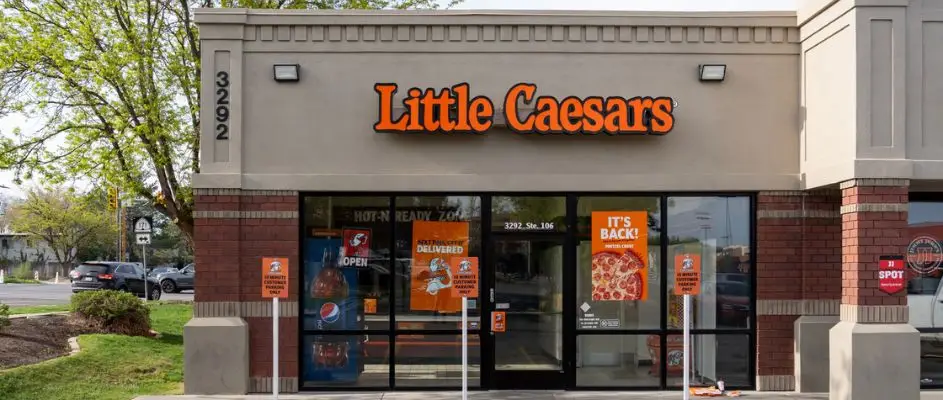
Meet the Entrepreneurial Couple Powering a Successful Little Caesars Franchise
Behind every successful franchise operation is a clear strategy, disciplined execution, and strong leadership. In the case of this high-performing Little Caesars franchise, the driving force is an entrepreneurial couple who transformed a globally recognized pizza brand into a well-managed and profitable local business. Their experience highlights how structured systems, shared accountability, and operational focus can translate into long-term franchise success.
From Aspiration to Action: Why They Chose Franchising
The couple’s decision to enter franchising was driven by a desire for business ownership with reduced risk. Rather than building a concept from the ground up, they sought a proven model that offered scalability, brand credibility, and operational support. After evaluating several food-service opportunities, they selected Little Caesars due to its established systems and strong consumer demand.
Their decision was guided by the following priorities:
• Brand recognition with national and international presence
• Operational simplicity supported by standardized processes
• Predictable demand in a value-driven food segment
• Scalable model suitable for long-term growth
Why Little Caesars Stood Out
Little Caesars is widely known for its emphasis on affordability, speed, and consistency. For franchise operators, these elements translate into streamlined operations and high transaction volume. The brand’s simplified menu and efficient kitchen workflow reduce complexity while maintaining quality and speed of service.
Key advantages that influenced their choice included:
• High-volume, quick-service model
• Limited menu complexity for operational efficiency
• Strong value positioning appealing to a broad customer base
• Established supply chain and brand systems
Navigating the Early Challenges
The initial phase of ownership required full commitment and hands-on involvement. From staff recruitment to daily operations, the couple understood that early discipline would set the tone for future performance. They structured their roles based on individual strengths to ensure accountability and operational clarity.
Their role distribution included:
• Operations and team leadership, including staff training and service standards
• Financial management and administration, covering scheduling, vendor coordination, and cost control
This structured approach minimized overlap, improved decision-making, and maintained operational consistency during the critical launch period.
Leveraging the Franchise Support System
One of the most valuable aspects of the franchise model was access to a comprehensive support framework. From site development to operational guidelines, the franchisor provided tools designed to accelerate stability and reduce risk.
Support areas that proved most impactful included:
• Pre-opening training and onboarding programs
• Standardized operating procedures and performance benchmarks
• Marketing guidance aligned with brand standards
• Ongoing operational and compliance support
This combination allowed the couple to operate confidently while maintaining brand integrity.
Building a High-Performing Team
The couple recognized early that sustained performance depends on people. They focused on recruiting reliable team members and fostering a professional, performance-oriented work culture. Training, communication, and accountability were treated as ongoing priorities rather than one-time efforts.
Their people-first approach resulted in:
• Lower employee turnover
• Consistent service quality
• Improved customer satisfaction
• Stronger internal accountability
Connecting With the Local Market
Although Little Caesars is a globally recognized brand, local engagement played a significant role in building customer loyalty. The couple actively positioned their location as a community-focused business rather than just another chain outlet.
Local engagement efforts included:
• Participation in community initiatives and events
• Support for local schools and organizations
• Consistent service and reliable pricing
These efforts strengthened customer trust and encouraged repeat business.
Financial Discipline and Long-Term Vision
Beyond sales performance, the couple emphasized disciplined financial management. Regular reviews of labor costs, inventory levels, and operational efficiency helped protect margins while maintaining service quality.
Their long-term strategy focused on:
• Operational stability before expansion
• Data-driven decision-making
• Cost control without compromising brand standards
• Sustainable growth rather than rapid scaling
Key Lessons for Aspiring Franchise Owners
Their experience offers practical insights for prospective franchise investors:
• Select a brand with proven systems and strong demand
• Remain hands-on, particularly during the early stages
• Leverage franchisor support while maintaining ownership accountability
• Define clear roles within ownership or management teams
A Blueprint for Franchise Success
This entrepreneurial couple’s success demonstrates that franchising is not simply about buying into a brand. It requires discipline, structure, and alignment between ownership and operations. By combining a proven system with strong execution and shared leadership, they built a franchise business positioned for consistent performance and long-term sustainability. Their journey serves as a practical reference point for entrepreneurs considering entry into the competitive food franchise sector.
Inspired by Weed Man's growth story?
Explore franchise opportunities and build your own legacy.
Explore OpportunitiesGet the latest franchise insights
Subscribe to our newsletter and never miss an updated.