Zaxby's Franchise Expansion Targets New Restaurant Formats
Zaxby's is expanding into Florida travel plazas and exploring flexible restaurant formats as it pursues franchise growth opportunities nationwide.
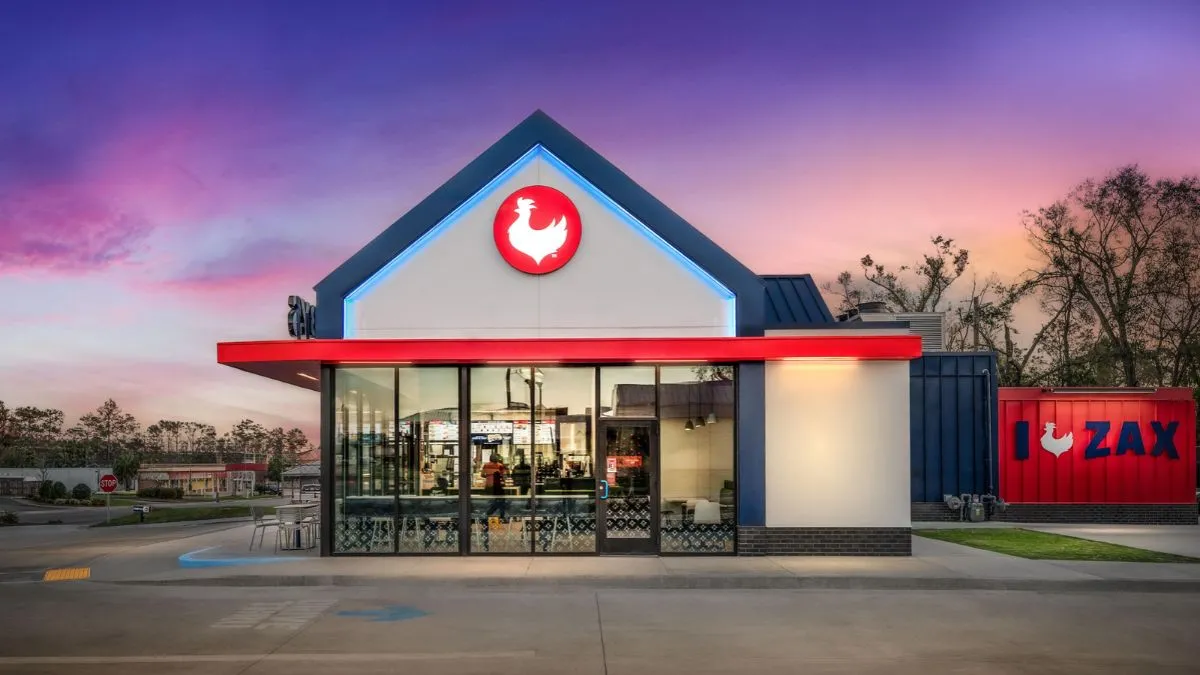
Zaxby’s Accelerates Franchise Expansion With New Restaurant Formats and Travel Locations
Zaxby’s is taking an ambitious approach to restaurant expansion, moving beyond traditional storefronts to reach customers in airports, highway service plazas, college campuses, and other high-traffic destinations. The chicken restaurant franchise is introducing new development opportunities designed to increase brand visibility, strengthen its national presence, and bring its menu to consumers wherever they travel.
The latest development involves a five-restaurant agreement with Areas USA, a major travel hospitality operator, to introduce Zaxby’s locations along Florida’s Turnpike. The agreement represents the brand’s largest nontraditional restaurant development partnership to date and demonstrates its growing interest in alternative real estate opportunities.
With more than 1,000 restaurants nationwide, Zaxby’s is positioning itself for another phase of franchise growth by combining established restaurant operations with more flexible development formats.
Zaxby’s Expands Into Florida Highway Service Plazas
The agreement with Areas USA will bring five Zaxby’s restaurants to service plazas along Florida’s Turnpike, creating opportunities to serve travelers who are looking for convenient meal options during their journeys.
The first restaurant has already opened at the Turkey Lake Service Plaza in Orlando, introducing the brand’s chicken-focused menu to customers traveling through one of Florida’s major transportation corridors.
Highway service plazas offer a different operating environment from conventional restaurants. Instead of relying primarily on nearby residents, these locations serve a constantly changing customer base that includes commuters, tourists, commercial drivers, and families traveling between cities.
For Zaxby’s, this creates an opportunity to reach customers who might not otherwise visit one of its traditional restaurants.
The partnership also supports a broader objective of introducing the brand to new audiences while maintaining the convenience and service expectations associated with quick-service dining.
Nontraditional Franchise Development Becomes a Growth Priority
Zaxby’s expansion strategy increasingly includes restaurant locations outside conventional shopping centres and standalone retail properties.
The company is exploring opportunities in several categories, including airports, universities, military installations, and transportation hubs.
These environments can provide access to concentrated customer traffic and introduce restaurant brands to consumers during their everyday activities.
Airport restaurants, for example, can attract travelers looking for familiar meals before departure or between flights. University locations can introduce a brand to students and faculty, while military installations can serve personnel and families within established communities.
Each setting presents distinct operational requirements, but all offer the potential to build brand awareness in markets where traditional restaurant development may be limited.
For franchise operators, nontraditional restaurant development can create an additional avenue for expansion, particularly when suitable conventional properties are difficult to secure.
Flexible Restaurant Designs Support Zaxby’s Franchise Growth
One of the most significant developments supporting Zaxby’s expansion is its investment in flexible restaurant prototypes.
Historically, the company relied heavily on a traditional restaurant model occupying approximately 3,000 square feet. However, changing consumer preferences and evolving real estate conditions have encouraged the brand to introduce additional formats.
Through its Modern Farmhouse design initiative, Zaxby’s now offers six primary building configurations, with conversions providing another potential option.
These formats include traditional dine-in restaurants, drive-thru-focused locations, and smaller nontraditional concepts.
The flexibility allows restaurant development teams to evaluate properties based on local demand, available space, traffic patterns, and operational requirements.
Smaller restaurant footprints may also help reduce certain construction and occupancy costs, although actual investment requirements depend on the location, lease structure, equipment, and development specifications.
For prospective franchisees, having multiple restaurant formats can make it easier to evaluate a broader range of real estate opportunities.
Zaxby’s Surpasses 1,000 Restaurants Nationwide
The company’s nontraditional expansion comes during a period of significant national growth.
Zaxby’s entered 2026 after surpassing 1,000 restaurants, marking an important milestone for a brand that began in Georgia in 1990.
Its growth has extended beyond the Southeastern United States into markets including Las Vegas, Phoenix, and New York City.
The company has also identified opportunities in states such as Florida, Illinois, Indiana, Kentucky, Michigan, Ohio, Tennessee, Texas, and Virginia.
These expansion efforts reflect a strategy built around geographic diversification, franchise development, and increased restaurant accessibility.
Rather than depending exclusively on growth within existing territories, Zaxby’s is pursuing new markets where consumers may have limited familiarity with the brand.
Nontraditional locations can complement this strategy by providing additional consumer exposure before a larger network of conventional restaurants is established.
What Makes Nontraditional Restaurant Franchises Attractive?
Alternative restaurant locations can offer several strategic advantages, although their financial performance depends on individual site economics.
One advantage is access to an established flow of potential customers. Airports, service plazas, and universities already attract visitors for reasons unrelated to dining, allowing restaurant operators to serve customers within existing activity centres.
Another advantage is the possibility of developing restaurants in markets where conventional retail properties are expensive or difficult to obtain.
Nontraditional locations may also support brand recognition. A traveler who discovers Zaxby’s at a highway service plaza could become familiar with the menu and subsequently visit another restaurant closer to home.
However, these opportunities also require careful evaluation of operating hours, lease restrictions, staffing requirements, customer volume, and contractual arrangements with property operators.
A high-traffic location does not automatically guarantee strong restaurant profitability.
The Role of Franchise Partnerships in National Expansion
Zaxby’s agreement with Areas USA highlights the importance of experienced operating partners in nontraditional restaurant development.
Travel hospitality operators understand the unique requirements of transportation facilities, including customer flow, space limitations, foodservice operations, and property management relationships.
Collaborating with established operators can help restaurant brands enter environments that require specialized expertise.
For Zaxby’s, this partnership provides a way to pursue multiple locations within an existing travel infrastructure network.
It also illustrates how franchise growth can extend beyond conventional individual restaurant development to include strategic multi-location agreements.
As the restaurant industry becomes increasingly competitive, these partnerships may play a larger role in how national brands expand their footprints.
What Zaxby’s Expansion Means for Prospective Franchisees
For individuals considering restaurant franchise ownership, Zaxby’s development strategy offers insight into how established brands are adapting their growth models.
Flexible restaurant formats can increase the range of available development opportunities, but prospective operators must still assess each investment independently.
Important considerations include total development costs, franchise fees, royalty obligations, site-specific operating expenses, labor requirements, and potential restaurant sales.
Investors should also evaluate the franchisor’s training programs, operational systems, marketing support, and territory development policies.
Nontraditional opportunities may involve additional approval requirements or specialized agreements, making it essential to understand the responsibilities of every party involved.
Zaxby’s Positions Itself for Long-Term Restaurant Franchise Expansion
Zaxby’s is demonstrating that restaurant franchise growth does not have to depend entirely on opening more traditional storefronts.
By expanding into highway service plazas, exploring institutional locations, and introducing adaptable restaurant prototypes, the company is creating additional ways to connect with consumers.
Its five-location Florida Turnpike agreement is an important example of this approach.
As Zaxby’s continues expanding nationally, the combination of flexible real estate, strategic partnerships, and established franchise operations could play a central role in its next stage of development.
For the broader restaurant franchise industry, the strategy reinforces a growing priority: successful expansion increasingly depends on finding the right locations, serving customers conveniently, and adapting restaurant formats to changing market conditions.
Explore more about Zaxby's Franchise opportunities.
Inspired by Weed Man's growth story?
Explore franchise opportunities and build your own legacy.
Explore OpportunitiesGet the latest franchise insights
Subscribe to our newsletter and never miss an updated.