



Established
1954
Franchise Units
5518
Minimum Investment
$2,249,200
Franchise Fee
$50,000
Total Investment Range
$3,320,600
Home Based
No
Description
The Whopper is what many guests picture when they think of Burger King. For a franchise owner, the business is also about the morning drive-thru rush, the family picking up dinner and the crew getting a delivery order out while keeping the counter moving. The menu gives each of those customers a reason to visit, with flame-grilled burgers, chicken sandwiches, fries, value meals and breakfast at participating locations.
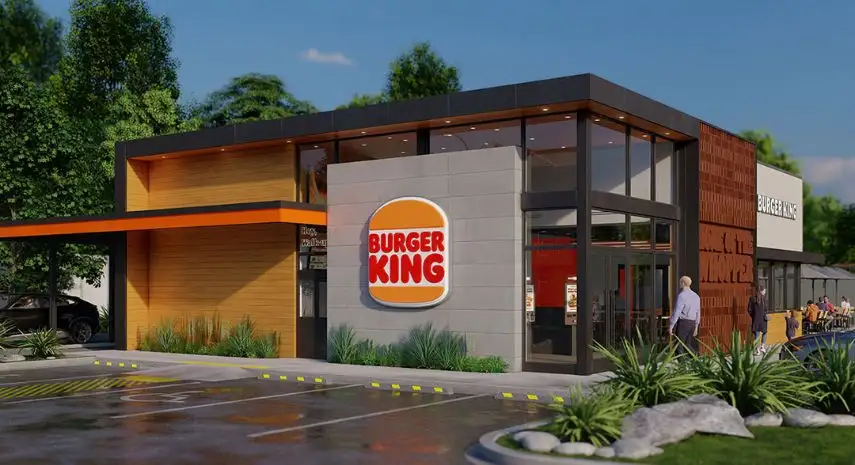
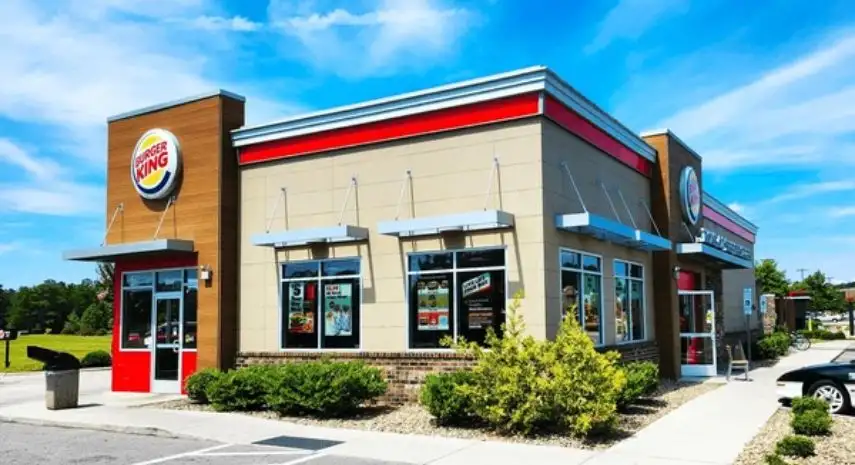
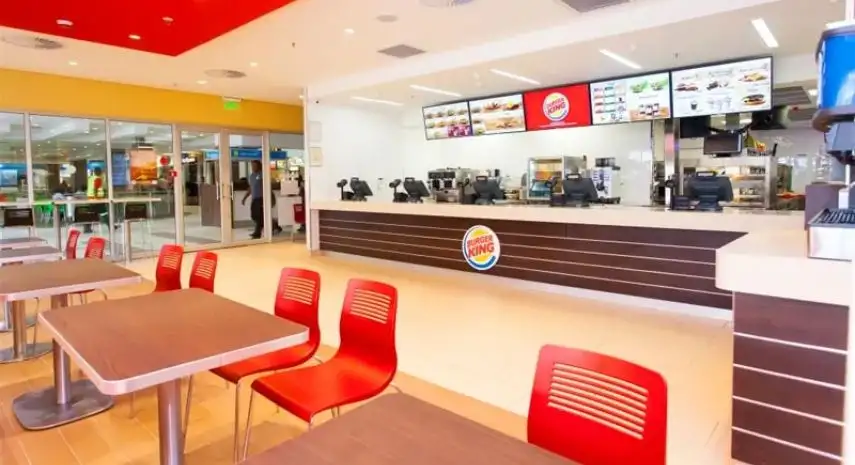
Burger King is a quick-service restaurant franchise with formats suited to different kinds of traffic. A freestanding restaurant can capture customers traveling along a busy commercial corridor, especially where the drive-thru is easy to enter and exit. A food court or retail location depends more on the people already visiting the property. Pickup and delivery can extend a restaurant’s reach where available, and each order channel affects how the kitchen is staffed and organized.
Prospective owners can explore acquiring existing restaurants or developing new ones, depending on what is available in their market. An acquisition gives buyers a chance to study actual sales, staffing and lease terms before committing. A new build gives operators an opportunity to develop a site around local demand, with construction, opening and customer acquisition built into the budget.
Why Invest in a Burger King Franchise?
- A menu customers already know. The Whopper gives the restaurant a recognizable signature item. Chicken, sides and value offers broaden its appeal when customers are choosing a meal for a group.
- Multiple ways to serve guests. Drive-thru, dine-in, takeout, digital pickup and delivery can serve different customer needs. The right mix depends on the site and how people move through the surrounding area.
- Room for multi-unit ownership. Operating several nearby restaurants can make it practical to share district leadership and train managers across locations. Buyers evaluating a portfolio can look at the economics and staffing needs of each restaurant individually.
- Brand marketing with local execution. Systemwide campaigns can bring a promotion to customers’ attention. Franchisees determine how to staff for that demand, keep ingredients available and maintain service standards during busy shifts.
Background
| Brand detail | Information |
|---|---|
| Established | 1954 in Miami, Florida |
| Founders | James McLamore and David Edgerton |
| Industry | Quick-service restaurants, specializing in burgers |
| Parent company | Restaurant Brands International Inc. |
| Signature menu item | The Whopper, introduced in 1957 |
| Early international expansion | The Bahamas in 1966 and Canada in 1969 |
| U.S. and Canadian restaurants | 6,979 combined as of September 30, 2026, including franchised and company-operated locations |
| U.S. franchised outlets | 5,518 at year-end 2025 |
| Global footprint | 19,900 restaurants across 126 countries and territories at year-end 2025 |
Burger King expanded from Miami through franchising, carrying its flame-grilled burger identity into new markets. Drive-thru service changed how customers used its restaurants, while breakfast and digital ordering expanded when and how guests could buy. Today, the franchise structure depends on the market. A North American operator may be buying an existing group of restaurants, while an international partner may be taking on a wider territory with a schedule for opening locations.
Support Training
- Getting ready to operate. Onboarding covers the transition plan, operating materials and the technology a franchisee will use to run the restaurant. For buyers taking over an existing location, that preparation includes getting point-of-sale and ordering systems ready for the ownership change.
- Training in a working restaurant. North American franchise owner training typically takes about three weeks, with a range of roughly one and a half to five weeks. Participants learn how the restaurant handles food preparation, safety and guest service. They also spend time with restaurant leaders and field staff to see how managers organize shifts and use the operating tools. The U.S. program includes ServSafe certification.
- Business education. The North American program includes two days with support teams in Miami, where owners meet people working in operations, finance, technology, marketing and restaurant design. BK University materials give owners and their teams a reference for training and restaurant procedures.
- Opening and ongoing support. The North American program includes on-site field support during the first week of operation. After opening, owners can draw on field teams and the franchisee network as they work on restaurant performance. Training schedules, launch support and marketing responsibilities can vary by agreement and market.
Ideal Candidate
A Burger King franchise suits operators who enjoy running a business where performance is visible shift by shift. A strong owner can read a profit-and-loss statement, spot when service slows down and work with managers to fix the problem. Experience in quick-service restaurants is directly relevant. Multi-site retail and other foodservice experience can also translate when it includes managing labor, inventory and customer service across busy locations.
For a multi-unit acquisition, the franchisee needs leaders who can coach restaurant managers and keep an eye on performance across the portfolio. The budget should account for equipment replacement, remodels and working capital alongside the purchase price. International development calls for local real estate and supply chain knowledge, plus the team and capital to deliver on the agreed opening schedule.
The site should suit the way customers will use the restaurant. For a drive-thru, that means visibility, convenient access and enough room for cars to queue. For a food court or retail unit, foot traffic, signage, hours and occupancy costs have a greater bearing on the decision.
Financial Detail
The figures below are in U.S. dollars and apply to the U.S. franchise offering. Canadian and international costs, fees, financial qualifications and development commitments are market-specific.
| Financial detail | U.S. franchise figures |
|---|---|
| Total initial investment |
$2,249,200 - $3,320,600
|
| Minimum initial investment, select formats | US$348,400 for the lowest-cost indoor specialty format. Site eligibility and format approval apply. |
| Initial franchise fee | US$50,000 for a standard 20-year franchise agreement. Certain nontraditional formats have different fees. |
| Minimum liquid assets | US$500,000. |
| Minimum net worth | US$1 million. |
| Infrastructure costs | US$1.2 million–US$1.8 million for the traditional construction or improvements line alone. Equipment, signage and technology are separate project costs. |
| Working capital | US$45,000–US$90,000 for the first three months in the traditional startup estimate. |
| Royalty fee | 4.5% of gross monthly sales. |
| Advertising fund and local marketing | 4.5% of gross monthly sales for the brand advertising fund. Confirm any separate local or launch spending for the proposed restaurant. |
| Active franchise units | 5,518 U.S. franchised outlets at year-end 2025. |