


Established
1946
Franchise Units
150
Minimum Investment
₹ 11,00,000
Franchise Fee
₹ 1,00,000
Total Investment Range
₹ 16,00,000
Home Based
No
Description
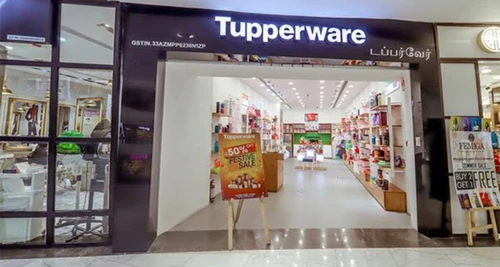
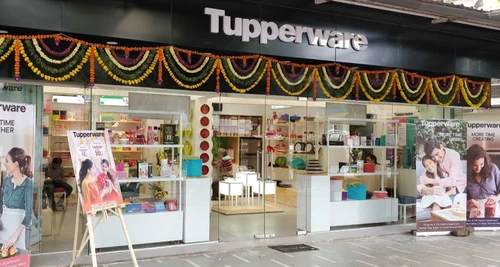
When Indian households think about premium, spill-proof, food-safe storage, one brand immediately comes to mind: Tupperware. For over two decades in India, Tupperware built an emotional connection with millions of families through its famous direct-selling network. Today, the brand has expanded its footprint through exclusive physical retail outlets, kiosks, and omnichannel platforms, opening up lucrative franchise opportunities across Indian cities.
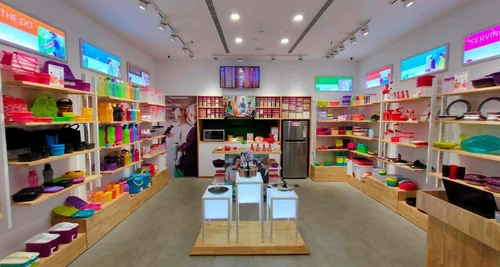
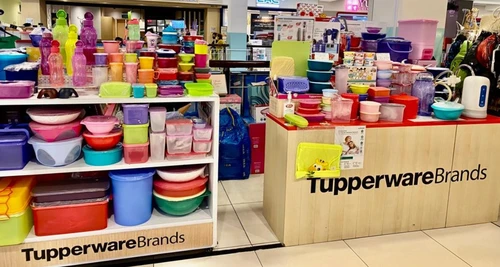
Opening a Tupperware franchise allows local entrepreneurs to tap into a household name that stands for durability, air-tight freshness, and smart kitchen management. Unlike starting an unbranded kitchenware store from scratch, a Tupperware franchise delivers instant brand recognition, high gross margins (up to 37–42%), and a ready consumer base that trusts the brand’s food-grade, non-toxic materials. Whether situated in a bustling high-street market or a premier shopping mall, a Tupperware store functions as a lifestyle experience center where customers can explore modern kitchen, storage, and preparation solutions.
Background
| Metric / Aspect | Company Details |
| Founded Year | 1946 (Global) |
| Founder | Earl Tupper |
| India Entry Year | 1996 |
| Franchise Retail Launch in India | 2019 |
| Industry Category | Kitchenware, Home Products & Consumer Goods |
| Active Franchise Outlets in India | 150+ Exclusive Retail Outlets & Outlets nationwide |
| Ownership / Corporate Structure | Tupperware Brands Corporation (Local Subsidiary: Tupperware India Pvt. Ltd.) |
| Market Presence in India | Strong footprint in Metro, Tier-1, Tier-2, and Tier-3 cities across North, South, East, and West zones |
Brand Journey & History
Tupperware was invented in 1946 by American chemist Earl Tupper, who pioneered flexible, airtight polyethylene containers featuring the iconic double-lip seal. The brand became a global phenomenon through its home-party direct selling model.
In India, Tupperware entered in 1996 and quickly established itself in urban kitchens. Recognizing shifting consumer shopping behaviors, Tupperware strategically launched its retail store franchise model in 2019. This move allowed franchise store owners to capture walk-in customers while preserving the brand's direct-selling heritage through social commerce and local network marketing.
Support Training
Setting up a retail franchise with Tupperware comes with structured corporate support to get your store up, running, and profitable as quickly as possible.
1. Pre-Launch & Setup Support
Location Selection & Store Layout: Assistance in evaluating property footfalls, high-street visibility, or mall viability, along with standardized interior design blueprints.
Initial Stock Planning: Inventory guidelines based on regional demand patterns to ensure top-selling SKUs (hydration, modular mates, lunch solutions) are stocked from day one.
2. Operational & Inventory Support
IT & POS Integration: Access to corporate inventory systems and point-of-sale software for stock tracking and billing.
Stock Replenishment Program: Brand-backed stock replenishment incentives (up to 4 times during the initial 12 months) to maintain store display levels.
Operating Manuals: Detailed standard operating manuals detailing daily retail practices, customer service standards, and stock management.
3. Product & Sales Training
Staff Grooming & Induction: Comprehensive 3-day initial induction for retail staff on product materials, thermal resistance, food safety standards, and customer engagement.
Refresher Workshops: Periodic refresher courses on new product launches, seasonal collections, and live product demonstration techniques.
4. Marketing & Academic Support
Local & Digital Advertising Support: Ready-to-use digital marketing collateral, pamphlets, local press templates, and social media creative bundles provided by the corporate team.
In-Store POSM: High-quality visual merchandising materials, posters, display stands, and branding signage for store interiors and exteriors.
Ideal Candidate
Investment Capacity: Ability to deploy ₹4 Lakhs to ₹16 Lakhs depending on the selected store format (Kiosk, Mini Store, or Flagship Store).
Entrepreneurial Drive & Passion: A strong passion for home lifestyle, organization products, and customer service.
Business Background: Prior retail experience is helpful but not strictly required, provided the owner is committed to following corporate operational guidelines. Women entrepreneurs, home-business leaders, and retail investors are highly encouraged.
Preferred Locations: High-density residential neighborhoods, busy high-street markets, premium commercial shopping centers, or popular shopping malls.
Space Ownership/Lease: Capability to secure commercial space ranging from 85 sq. ft. (Mall Kiosk) up to 500 sq. ft. (Flagship Store).
Financial Detail
The capital requirement for a Tupperware franchise varies according to store format, ranging from lower-investment kiosks to expansive flagship outlets.
| Financial Parameter | Details & Estimates |
| Minimum Investment Required | ₹4.5 Lakhs + GST (Kiosk / Tier 2-3 Mini Format) |
| Total Investment Range | ₹11 Lakhs – ₹16 Lakhs (Standard Exclusive Store) |
| Franchise / Brand Fee | ₹1 Lakh to ₹1.18 Lakhs + GST |
| Required Store Area | 85 sq. ft. (Kiosk) to 500 sq. ft. (Flagship Store) |
| Infrastructure / Fit-out Cost | ₹4.0 Lakhs – ₹8.5 Lakhs (includes interior display, lighting, signage) |
| Equipment & Tech Setup | ₹50,000 – ₹1.5 Lakhs (POS, Printer, AC, Systems) |
| Initial Stock Purchase | ₹3 Lakhs – ₹7.9 Lakhs (WSP / Paid Up stock) |
| Working Capital | ₹1 Lakh – ₹2 Lakhs |
| Royalty Fees | Nil to nominal percentage (Brand operates primarily on product wholesale pricing margin) |
| Gross Profit Margins | 37% – 42% on product sales |
| Expected Payback Period | 12 – 20 Months |
| Expected ROI | 30% – 59% annually (depending on sales turnover) |