


Established
1937
Franchise Units
347
Minimum Investment
$275,000
Franchise Fee
$25,000
Total Investment Range
$3,000,000
Home Based
No
Description
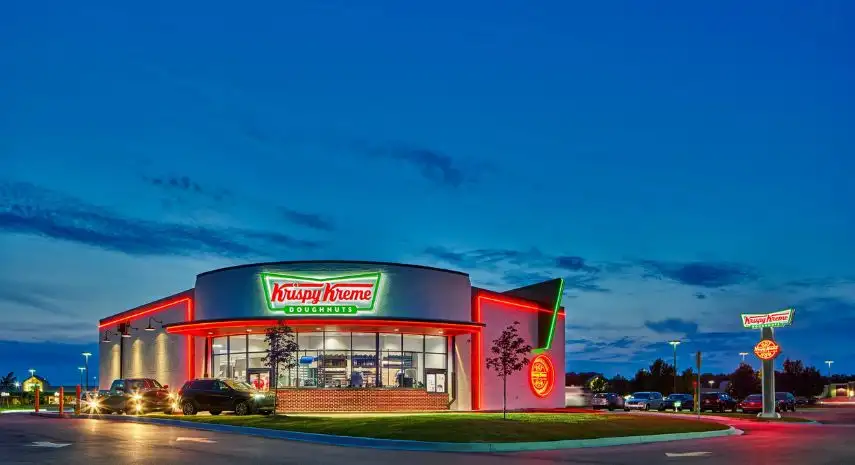
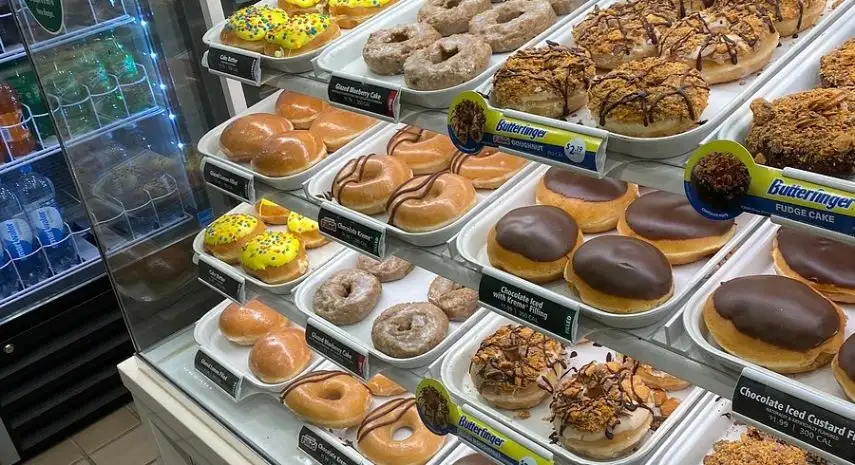
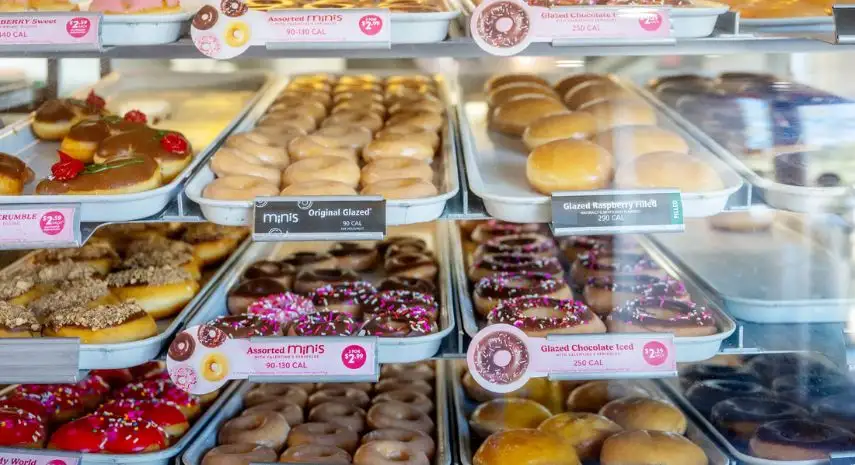
Krispy Kreme Doughnuts is one of America’s most beloved and recognizable food brands—an icon in the baked goods and quick-service industry with a legacy stretching nearly a century. Known for its world-famous Original Glazed® doughnut, the brand has evolved into a powerhouse that blends tradition, innovation, and unmatched consumer loyalty. A Krispy Kreme shop isn’t just another bakery; it’s a multi-channel, high-volume retail operation that maintains consistent footfall through dine-in, drive-thru, delivery, wholesale, and digital ordering.
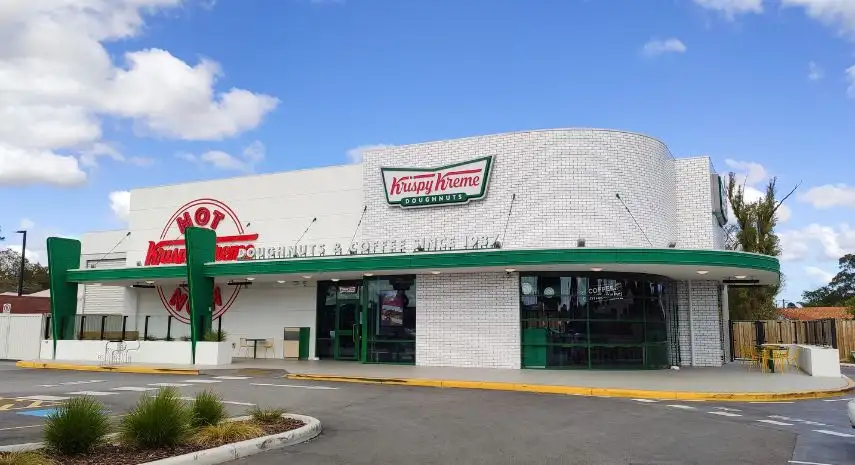
Aspiring entrepreneurs are drawn to Krispy Kreme because it combines brand equity, global scale, and a proven business system that stands out in the competitive dessert and coffee market. Whether anchored in a high-traffic retail strip, a modern factory store with wholesale capabilities, or a fresh-shop format, Krispy Kreme delivers a powerful value proposition supported by decades of operational excellence and marketing strength. With its continued expansion across the United States and high consumer demand for fresh, premium treats, Krispy Kreme remains one of the most compelling bakery café franchises available.
Why Invest in a Krispy Kreme Franchise?
Investing in Krispy Kreme offers a rare blend of legacy stability and modern scalability. In 2026, the brand remains at the forefront of the food and beverage industry for several key reasons:
Unrivaled Brand Equity: The Original Glazed doughnut is a product that sells itself. You don’t need to explain the value proposition; the "Hot Light" does the marketing for you.
Diverse Revenue Streams: Beyond over-the-counter sales, franchisees can tap into lucrative fundraising programs, catering for corporate events, and high-volume wholesale distribution to local retailers.
Technological Edge: Krispy Kreme has heavily invested in digital transformation, with a robust mobile app and loyalty program that ensures repeat business and high-margin delivery orders.
Proven Resilience: Through economic fluctuations, the "affordable luxury" of a doughnut remains a consistent consumer habit, making the business model remarkably durable.
Background
Established Year: 1937
Franchise Since: 1947Founders: Vernon Rudolph
Headquarters: Winston-Salem, North Carolina
Industry Category: Food & Beverage / Quick Service Restaurant (QSR)
Ownership: Publicly traded (NASDAQ: DNUT), with significant backing from JAB Holding Company.
Current Market Presence: 347 active units across 44 states in the USA, with a total global footprint exceeding 1,400 locations.
The journey began when Vernon Rudolph bought a secret yeast-raised recipe from a French chef in New Orleans. He started by selling doughnuts to grocery stores, but the scent was so intoxicating that passersby asked to buy them hot on the spot. Rudolph cut a hole in the wall of his building, and the retail legend was born. Today, Krispy Kreme is a multi-billion dollar enterprise that still uses that same secret recipe from nearly a century ago.
Support Training
Krispy Kreme provides an exceptionally structured franchise support system that ensures owners can operate efficiently from day one. Franchisees benefit from a comprehensive program that includes:
Pre-Launch Support
-
Assistance with site selection, demographic research, traffic analysis, and store placement
-
Layout, architectural design, and equipment planning for factory stores or fresh-shops
-
Guidance with permits, construction approvals, and operational planning
Operational Training
-
Intensive training programs covering doughnut production, quality control, safety, food handling, and store operations
-
Front-of-house, back-of-house, and leadership training for franchisees and management teams
-
Ongoing performance coaching and operational assessments
Marketing & Branding Support
-
Access to national advertising campaigns and product launches
-
Social media branding support, seasonal promotions, and loyalty program integration
-
Comprehensive marketing toolkits and templates for local store promotion
Ongoing Franchise Support
-
Dedicated franchise consultants for continuous mentorship
-
Regular operations audits, product innovation updates, and supply chain support
-
Technology support for POS, mobile ordering, and digital operations
Ideal Candidate
Krispy Kreme is best suited for entrepreneurs who are committed to multi-unit growth, strong operations, and premium guest experiences. Ideal franchise partners include:
-
Investors with experience in hospitality, foodservice, QSR operations, or retail management
-
Entrepreneurs with the resources and capability to develop multiple units over time
-
Individuals or groups who value brand consistency, operational discipline, and long-term business growth
-
Owners with strong financial capability and the ability to manage teams in high-volume retail environments
-
Investors looking for a scalable, consumer-loved brand with national recognition
Financial Detail
- Initial Franchise Fee: $12,500 – $25,000
- Initial Investment: $275,000 – $1,911,250
- Cash Requirement: $300,000 – $3,000,000
- Royalty Fee: 4.5%
- Ad Royalty Fee: 1.5%
- Franchise Term: 15 years
- Renewable: Yes