Applebee’s Sues Franchisee Over Logan’s Roadhouse Deal
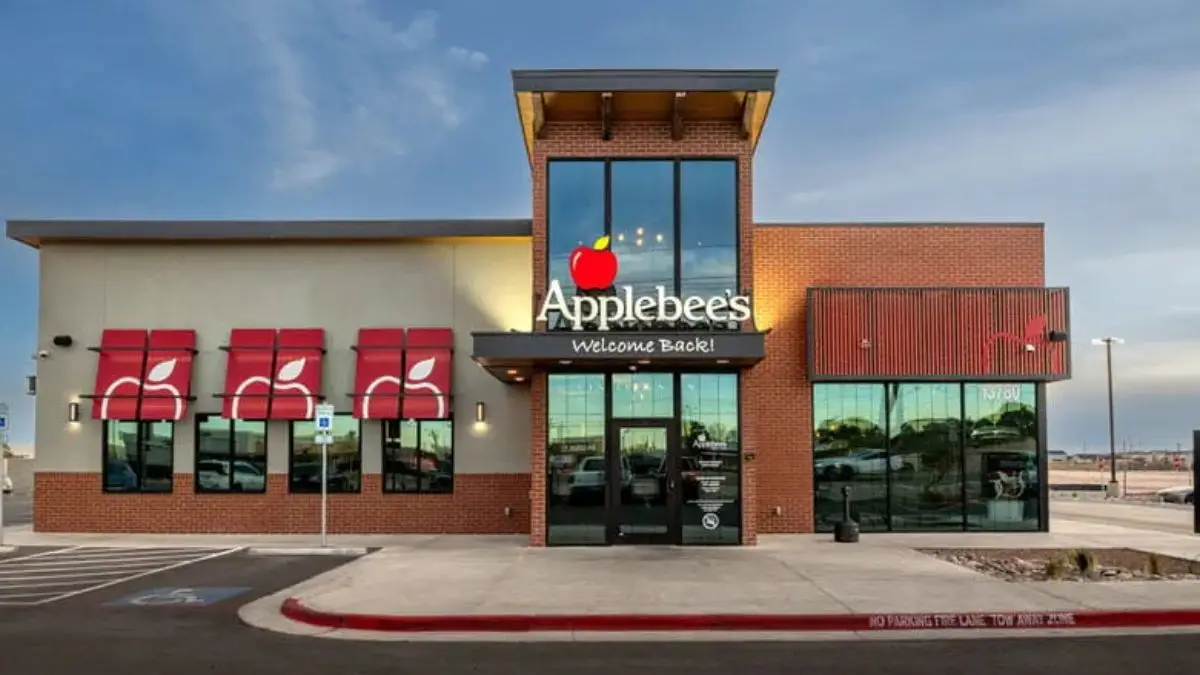
Applebee’s Pushes Back Against Major Franchisee Over Competing Brand Ownership
A growing legal dispute between Applebee’s and one of its largest franchise operators is drawing attention across the restaurant franchising industry. The casual dining giant is now seeking court intervention after accusing franchisee Sunil Dharod and SSCP Management of violating franchise agreements through the acquisition of Logan’s Roadhouse.
Applebee’s argues that Logan’s Roadhouse directly competes with its core business model and claims the purchase creates a major conflict of interest that threatens the brand’s long-term interests. The lawsuit was filed as a counterclaim after affiliates tied to SSCP previously sued Applebee’s over its expanding dual-brand strategy involving Applebee’s and IHOP restaurants.
Applebee’s Wants Franchisee to Divest Logan’s Roadhouse Ownership
The legal filing asks a Kansas court to require Dharod and related entities to sell all ownership interests connected to Logan’s Roadhouse. Dharod, founder and CEO of SSCP Management, controls a large restaurant portfolio that includes 79 Applebee’s locations across Texas, California and Virginia.
Beyond Applebee’s, SSCP Management also owns or operates several major restaurant brands, including Roy’s, Cicis, Corner Bakery and more than 30 Sonic Drive-Ins.
The conflict intensified after Dharod formed Logan’s Roadhouse International and completed the acquisition of the 115-unit steakhouse chain in late 2025. Applebee’s claims the move violated non-compete provisions embedded in the franchise agreements.
According to the complaint, Logan’s Roadhouse competes directly with Applebee’s because both brands operate in the casual full-service dining category, offering dine-in and takeout options centered around steaks, burgers, sandwiches, seafood, beer and traditional American menu items.
Applebee’s alleges that its agreements prohibit franchisees from holding financial interests in directly competing restaurant systems.
Franchisee Previously Accused Applebee’s of Violating Territory Rights
The dispute did not begin with the Logan’s acquisition. Earlier this year, Apple Texas, Apple Houston and related SSCP entities filed a lawsuit accusing Applebee’s of violating exclusive territory protections.
The franchisees argued Applebee’s improperly allowed an IHOP operator to open a dual-branded Applebee’s-IHOP restaurant within protected development territories controlled by the franchisee groups.
Applebee’s rejected those claims and defended its broader dual-brand strategy. Parent company Dine Brands has aggressively expanded the Applebee’s-IHOP concept internationally over the last several years before introducing the format to the U.S. market in 2025.
Company leadership maintains that the dual-brand initiative creates new development opportunities for operators while supporting long-term growth across the system.
Dine Brands Defends Dual-Brand Expansion Strategy
Dine Brands leadership publicly stated that the company continues working closely with franchisees while respecting development agreements and focusing on sustainable growth.
The company also stated that the franchisee involved in the lawsuit is not currently in good standing under the franchise system and indicated it plans to aggressively defend its legal position.
The franchisor emphasized that the Applebee’s-IHOP dual-brand model remains an important component of its future expansion plans.
Development Agreement Dispute Adds Another Layer
The legal battle also includes disagreements surrounding long-standing development agreements tied to Applebee’s expansion rights in Texas.
According to court filings, Apple Texas joined the Applebee’s system in 2008 after acquiring 37 restaurants. Through a development agreement signed that year, the group secured exclusive development rights across 46 Texas counties, including major portions of the Dallas-Fort Worth and Waco markets.
Apple Houston later acquired an additional 21 Applebee’s locations in 2012 and received separate exclusive rights covering another 50 Texas counties, including Houston and Austin.
Applebee’s claims both franchise groups failed to meet development obligations requiring the opening of additional restaurants within their territories. The company stated Apple Texas opened only one new location while closing multiple units, and Apple Houston allegedly failed to open any additional restaurants while also shutting down several existing stores.
Because of those alleged failures, Applebee’s argues the development agreements and related exclusivity rights were terminated years ago.
The franchisees dispute that interpretation. They contend amendments signed in 2022 modified or removed the original development requirements, preserving their exclusive territory protections.
Logan’s Roadhouse Business Model Becomes Key Argument
SSCP’s legal filings argue Logan’s Roadhouse operates under a significantly different restaurant model than Applebee’s.
The franchisee points to Logan’s stronger emphasis on premium steak offerings, including ribeye, filet mignon and New York strip selections. According to the complaint, approximately 60% of Logan’s customers order steak products, compared to roughly 11% at Applebee’s restaurants operated by the plaintiffs.
The franchisee also argues Applebee’s has historically allowed other operators within the system to own restaurant concepts that may compete even more directly with the brand.
Court filings referenced other franchise groups with ownership interests in chains such as Logan’s Roadhouse and Bar Louie without prior objections from the franchisor.
Restaurant Franchise Industry Watching Closely
The case could have broader implications for restaurant franchise agreements, territorial protections and non-compete enforcement within multi-brand franchise portfolios.
As large franchise groups continue diversifying across restaurant categories, disputes over competitive ownership interests and dual-brand expansion strategies are becoming increasingly important across the franchise industry.
The outcome of the case may help clarify how aggressively franchisors can enforce non-compete clauses against multi-brand operators managing competing restaurant concepts.
Inspired by Weed Man's growth story?
Explore franchise opportunities and build your own legacy.
Explore OpportunitiesGet the latest franchise insights
Subscribe to our newsletter and never miss an updated.