Bonchon Franchise Growth Gains Momentum Under New Ownership
Bonchon enters a new ownership era with stronger franchise support, flexible restaurant formats and fresh plans for expansion across key markets.
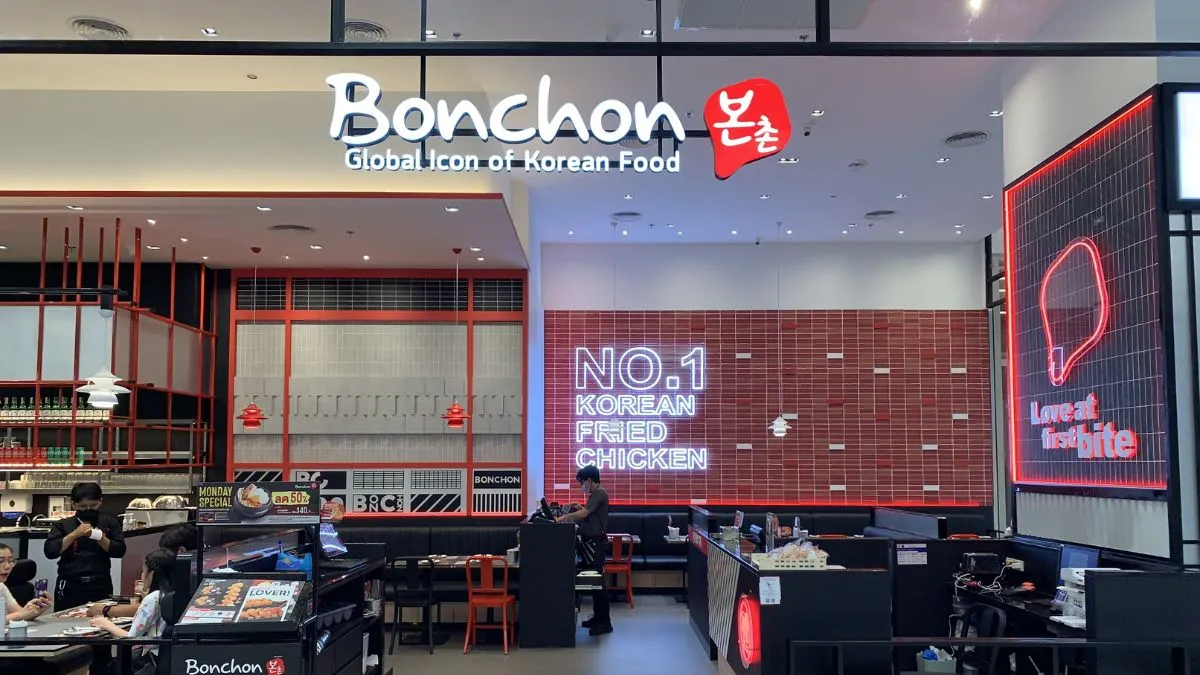
Bonchon Enters New Ownership Era With Global Franchise Growth in Focus
Bonchon is preparing for its next stage of expansion as the Korean fried chicken franchise moves under a new ownership structure designed to support growth across the Americas and international markets.
Minor Food and Serruya Private Equity are acquiring the global restaurant brand from VIG Partners and the family of Bonchon founder Jinduk Seo. The transaction creates an unusual but potentially powerful ownership arrangement, with Minor Food leading the business outside the Americas and Serruya Private Equity overseeing Bonchon throughout the Americas.
For a franchise system already approaching 498 restaurants worldwide, the deal comes at an important point in Bonchon’s development.
Rather than rebuilding the concept, the incoming owners are gaining a brand that has already established a recognizable identity, a growing franchise network and a strong position in the Korean fried chicken category.
Bonchon Franchise Growth Could Accelerate Under New Owners
Bonchon has expanded substantially from its South Korean roots.
Founded in Busan in 2002, the company entered the United States in 2006 and has since developed into an international franchise brand operating across multiple countries. The company has more than 130 restaurants in the United States.
That existing scale gives Bonchon’s new owners a foundation from which to pursue additional markets without changing what made the concept successful.
CEO Suzie Tsai has indicated that the ownership transition could provide additional resources and infrastructure to help the company grow more efficiently.
That could become particularly important in North America, where Bonchon still sees considerable room for development.
Canada is one market with obvious potential as the brand looks beyond its current U.S. footprint. Additional opportunities may also emerge elsewhere in the Americas as the new ownership structure takes shape.
Serruya Private Equity Brings an Americas-Focused Growth Strategy
Toronto-based Serruya Private Equity will take responsibility for Bonchon across the Americas.
For the franchise system, having an ownership group dedicated specifically to the region could create opportunities to strengthen development, supply chain capabilities, marketing reach and franchisee support.
Restaurant chains often benefit as they gain more density in individual markets. Increased scale can improve purchasing power, distribution efficiency, advertising effectiveness and operational support.
Bonchon has already built meaningful awareness in the United States, but it remains considerably smaller than many established national chicken brands.
That leaves substantial white space.
The opportunity is not necessarily about opening restaurants as quickly as possible. Bonchon has increasingly emphasized selecting experienced operators capable of building sustainable businesses and, in many cases, developing multiple locations.
The company appears willing to grow more selectively if that produces stronger franchise partners.
Minor Food Already Knows the Bonchon Business
Minor Food brings another important advantage to the transaction: direct experience operating the brand.
The company has been a major Bonchon franchise partner in Thailand, giving it familiarity with the concept before stepping into a larger ownership role.
That experience could make the transition different from an acquisition involving an investor with little knowledge of restaurant operations.
Minor Food is part of a major international hospitality and restaurant organization with experience operating and franchising multiple food brands.
Its existing relationship with Bonchon may help preserve continuity as the brand expands throughout Asia and other international markets.
Menu Innovation Is Becoming a Bigger Growth Tool
Ownership may be changing, but Bonchon is not abandoning the menu that established the brand.
Its signature hand-battered, double-fried chicken and Korean-inspired sauces remain central to the concept.
Instead, the company has been using limited-time products and new menu categories to give existing customers additional reasons to visit.
Bonchon expanded those efforts in 2026 with Korean-inspired menu launches that moved beyond traditional chicken offerings.
The approach gives the brand an opportunity to introduce customers to a wider selection of Korean flavors while protecting the products most closely associated with Bonchon.
That balance matters.
Restaurant franchises frequently face pressure to chase trends, particularly when consumer preferences are shifting quickly. Bonchon has instead focused on adding innovation around a recognizable core product.
Value Matters as Restaurant Customers Watch Spending
Bonchon’s growth strategy is also developing during a difficult period for restaurant operators.
Consumers remain sensitive to food prices, while franchise owners continue to manage labor, construction, occupancy and ingredient costs.
Bonchon has attempted to respond by focusing on customer traffic and menu innovation rather than depending entirely on aggressive price increases.
Maintaining perceived value could prove important as the company introduces itself to more markets.
Customers may be willing to pay a premium for distinctive food, but the value proposition still needs to remain competitive.
That is particularly relevant in the crowded chicken category, where Bonchon competes not only with Korean concepts but also with national quick-service and fast-casual chicken brands.
Smaller Bonchon Restaurants Create More Development Options
Real estate strategy is another area where Bonchon has evolved.
The company introduced a smaller fast-casual prototype designed to operate in less than 2,000 square feet. The kitchen-focused format can potentially reduce development costs while allowing franchisees to consider locations that may not accommodate a larger traditional restaurant.
Bonchon has also experimented with delivery-focused restaurants, remote kitchens and other formats.
Greater flexibility can help a franchise system grow into markets where traditional restaurant construction would otherwise be difficult or expensive.
The smaller prototype also creates additional possibilities for airports, college campuses, urban locations and other nontraditional venues.
Bonchon Is Targeting Experienced Franchise Operators
Despite its growth ambitions, Bonchon does not appear interested in awarding franchises simply to increase its restaurant count.
The company has placed growing emphasis on experienced operators with the financial capacity and restaurant knowledge required to develop multiple locations.
Its preferred development profile increasingly favors multi-unit franchisees.
That strategy could help Bonchon establish stronger market clusters instead of developing isolated restaurants spread across large geographic areas.
Multi-unit operators can also provide local management infrastructure, market knowledge and operational experience that becomes increasingly valuable as a franchise brand scales.
A New Chapter for the Bonchon Franchise
The acquisition arrives as Korean cuisine continues gaining broader recognition among North American consumers.
Bonchon helped introduce Korean fried chicken to many U.S. customers years before the category became as widely recognized as it is today.
Now the company has an opportunity to use that head start.
With new ownership, nearly 498 restaurants globally, a growing U.S. presence, flexible restaurant formats and continued investment in menu innovation, Bonchon is entering a different stage of its development.
The question is no longer whether Korean fried chicken can attract a mainstream audience.
For Bonchon, the bigger question is how far the franchise can take the category—and how quickly its new owners can turn remaining market opportunities into sustainable franchise growth.
Explore more about Bonchon Korean Fried Chicken Franchise opportunities.
Inspired by Weed Man's growth story?
Explore franchise opportunities and build your own legacy.
Explore OpportunitiesGet the latest franchise insights
Subscribe to our newsletter and never miss an updated.