Jack in the Box Accelerates Turnaround Under New CEO
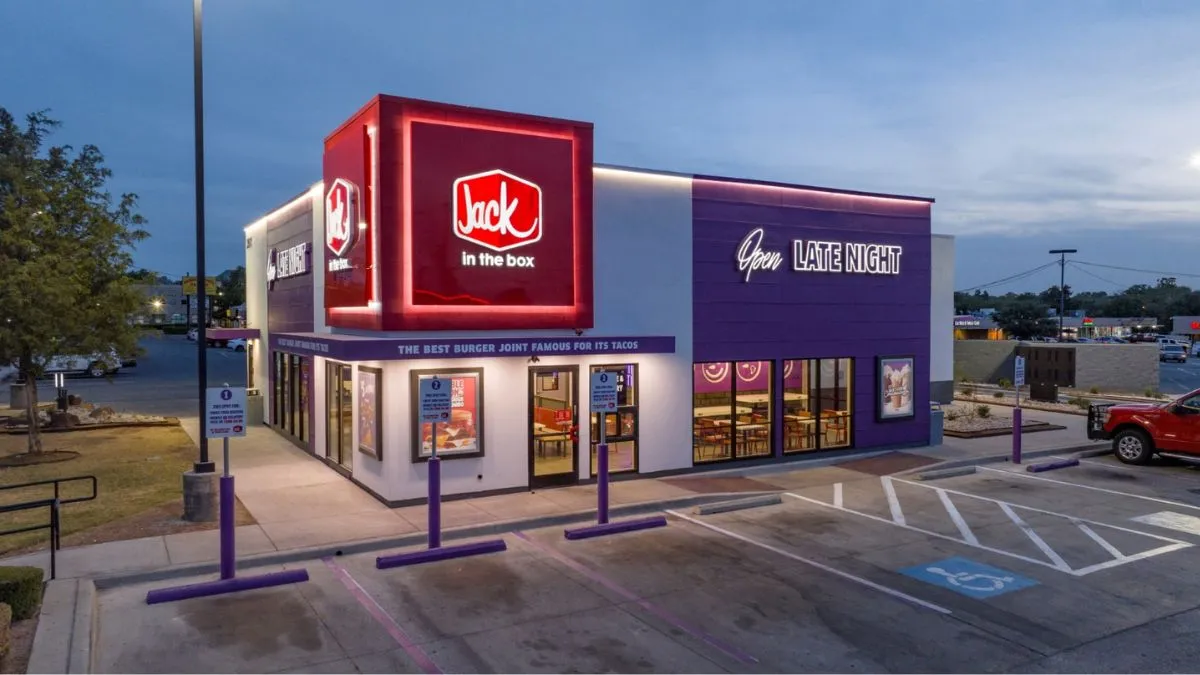
Leadership Shakeup Signals New Phase for Jack in the Box
Jack in the Box has once again changed leadership as the restaurant chain continues working through its long-term recovery plan. The company announced that CEO Lance Tucker is stepping down after just 14 months in the role, marking another major transition during a critical period for the brand.
Taking over as interim CEO is former Taco Bell chief executive Mark King, who had recently been appointed chairman of the board. King’s interim compensation package includes a monthly salary of $125,000 and restricted stock units worth approximately $2.4 million, according to company filings.
During the company’s second-quarter earnings call, King expressed confidence in the direction of the business and reaffirmed commitment to the “Jack on Track” strategy launched in 2025. The initiative focuses on stabilizing the company financially, improving restaurant performance, selling company-owned real estate and positioning the brand for sustainable long-term growth.
The company has already begun searching for a permanent CEO, while board member Alan Smolinisky has been named lead independent director.
More Restaurant Closures Planned in 2026
As part of the accelerated turnaround efforts, Jack in the Box plans to increase the pace of restaurant closures over the coming fiscal year. King said the company expects an additional 50 to 100 locations to close during fiscal 2026.
The closures are tied directly to the broader Jack on Track strategy, which originally targeted the shutdown of as many as 200 underperforming restaurants across the system. Most of those locations are operated by franchisees.
King noted that franchise owners are becoming increasingly interested in exiting weaker locations sooner rather than later. However, lease obligations remain one of the biggest obstacles. To address that issue, corporate leadership plans to work more closely with landlords and help franchisees negotiate early lease exits.
According to King, the pace of closures has been slower than originally expected, but the company now anticipates a significant acceleration during the second half of the year.
Jack in the Box currently operates 2,128 locations nationwide. Just five years ago, the company was aggressively pursuing expansion plans designed to bring thousands of additional restaurants into new and existing markets.
Financial Results Reflect Ongoing Pressure
The company’s latest quarterly results highlight the ongoing financial challenges facing the brand.
For the quarter ending April 12, Jack in the Box posted earnings of 76 cents per share, narrowly outperforming analyst expectations. Revenue, however, fell short of projections after declining 4.3% year over year to $254.3 million.
Same-store sales also moved lower across the system. Overall comparable sales declined 3.8%, with franchise-operated locations down 3.9% and company-owned restaurants declining 2.8%.
Rising labor and commodity costs continue putting pressure on margins, which dropped by 16.4% at the restaurant level. Leadership says the company is attempting to balance promotional offers with profitability goals in an effort to drive customer traffic without sacrificing long-term financial stability.
Recently hired Chief Marketing Officer Katelyn Zborowski, who joined from Yum Brands earlier this year, is expected to help refine that strategy by balancing value-focused promotions with premium menu offerings.
Franchisees Remain Central to Recovery Plans
Company executives repeatedly emphasized that franchisee success will determine whether the turnaround effort ultimately succeeds.
Chief Operating Officer Shannon McKinney has formed a committee made up of both franchisees and corporate representatives to identify strategies aimed at improving restaurant profitability and operational efficiency.
King stressed that franchise owners must remain at the center of every major business decision moving forward.
He stated that helping operators improve margins and achieve stronger profitability is not simply one initiative under the Jack on Track strategy but a foundational priority throughout the organization.
Average unit volumes also declined in 2025, dropping to $1.91 million from $1.98 million the previous year, adding further pressure on operators already navigating softer consumer spending and rising operating costs.
Real Estate Sales and Restaurant Refreshes Show Early Momentum
One major component of the turnaround strategy involves monetizing company-owned real estate assets.
Jack in the Box has already generated approximately $14.7 million through property sales and expects another $35 million to $45 million in proceeds before the fiscal year ends. The funds are expected to be used primarily for debt reduction.
The company previously owned land and buildings at roughly 170 franchised locations before leasing those properties back to operators.
At the restaurant level, leadership says smaller and less expensive remodel projects are delivering encouraging returns. Improvements such as landscaping updates, parking lot restriping and minor exterior refreshes are reportedly helping increase customer traffic and sales performance at select locations.
King said the company has more than doubled the pace of these smaller refresh projects this year and plans to continue expanding the initiative across both company-operated and franchised restaurants.
Value Offers and Premium Menu Items Driving Strategy
To combat softer low-income consumer spending, Jack in the Box has implemented what executives describe as a “barbell strategy.”
The company continues offering aggressive value deals, including $5 meal promotions, while simultaneously introducing more premium menu items designed to attract higher-spending customers. Recent additions include Smashed Jack sliders and loaded wings.
At the same time, the company is working to improve operational efficiency, simplify menu pricing strategies and strengthen the overall guest experience across the system.
Early indicators from the current quarter suggest same-store sales trends are beginning to stabilize, with performance approaching flat levels.
Leadership Believes Recovery Could Arrive in Late 2026
Despite the economic challenges and operational pressures still facing the business, leadership remains optimistic about the company’s long-term outlook.
King told analysts that the second half of fiscal 2026 could mark the beginning of a stronger performance period for the brand. He believes the combination of restaurant closures, operational improvements, real estate monetization and refined marketing strategies will eventually position Jack in the Box for healthier growth.
According to King, the momentum already being seen in several turnaround initiatives reinforces management’s confidence that the company is moving in the right direction.
Inspired by Weed Man's growth story?
Explore franchise opportunities and build your own legacy.
Explore OpportunitiesGet the latest franchise insights
Subscribe to our newsletter and never miss an updated.