Pizza Hut and Papa Johns May Go Private in New Deals
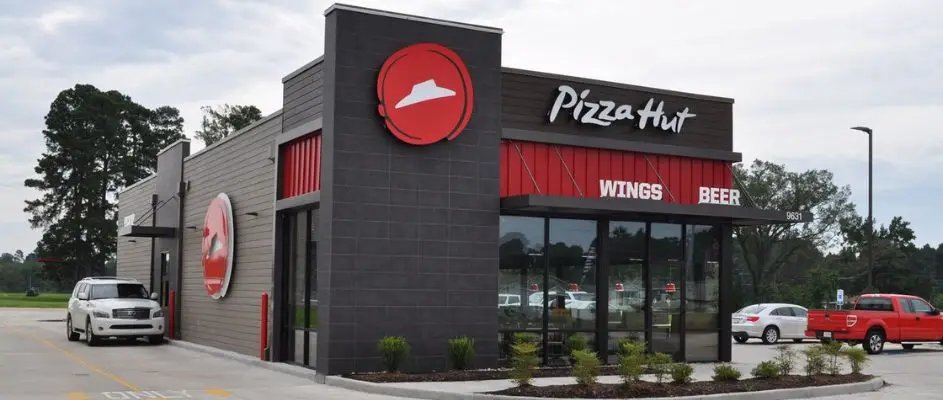
Pizza Hut and Papa Johns May Go Private as Buyers Pursue Turnaround Plans
Two of the most recognized pizza chains in the world, Pizza Hut and Papa Johns, may soon be sold as investor interest grows around both brands. Industry discussions suggest potential buyers could take the companies private and focus on long-term recovery strategies aimed at improving performance.
Both restaurant systems are navigating financial pressure from stronger competition, rising ingredient costs, and declining customer traffic. Each chain has also indicated that hundreds of underperforming restaurants may need to close as part of broader turnaround efforts.
Key Highlights
- Sales discussions involving Pizza Hut and Papa Johns may be progressing.
- Both brands could be taken private by new ownership groups.
- Pizza Hut operates about 20,000 restaurants globally, with roughly 99% franchised.
- Papa Johns has around 6,000 restaurants worldwide, with more than 90% franchised.
- New owners may focus on modernization and profitability improvements.
Papa Johns Faces Ongoing Challenges
Papa Johns has recently struggled with weak same-store sales, declining revenue, intense category competition, and CEO turnover. The company’s stock once traded near $130 per share in late 2021 but has since fallen significantly.
Despite those pressures, Papa Johns remains a major global pizza brand with thousands of franchised restaurants and a strong consumer presence.
Pizza Hut Sales Slowdown
Pizza Hut has also seen softer sales results, creating drag on parent company Yum! Brands. While sister brands Taco Bell and KFC have posted stronger performances, Pizza Hut has lagged behind in recent periods.
Still, Pizza Hut remains one of the largest restaurant franchise systems in the world with extensive international reach.
Why Pizza Chains Are Under Pressure
The pizza business has become increasingly competitive. Brands are not only battling one another, but also competing against lower-cost meal options.
Consumers today can compare a pizza order with:
- Low-priced fast-food value meals
- Frozen grocery pizzas
- Meal delivery alternatives
- Home-cooked dinners
With food delivery apps making many options instantly available, value perception has become more important than ever.
Why Going Private Could Benefit Both Brands
If sold, new owners are expected to remove Pizza Hut and Papa Johns from public markets. Operating privately can give management teams more freedom to make strategic changes without quarterly earnings pressure.
Potential priorities could include:
- Restructuring business models
- Closing weak-performing stores
- Modernizing restaurants
- Improving operational systems
- Enhancing digital ordering
- Focusing on long-term profitability
Deals in Motion
Investor activity has reportedly increased around Papa Johns. One offer was said to be $47 per share in March, while the stock had later fallen to around $35 per share. Discussions were said to still be ongoing, though no deal is guaranteed.
Pizza Hut has also reportedly attracted interest from private equity groups including Apollo Global Management, LongRange Capital, and Sycamore Partners. Yum! Brands may narrow the bidder list, negotiate privately, or choose to keep the brand.
Sale Rumors Continue
Speculation surrounding both chains increased after Yum! Brands announced a strategic review of Pizza Hut in November. Reports also indicated Papa Johns had turned down higher offers last year.
Papa Johns CEO Todd Penegor, who assumed the role in late 2024, said earlier this year that rumors about a sale had been constant throughout much of his tenure.
About Pizza Hut
- Founded in 1958
- Nearly 20,000 restaurants worldwide
- Around 99% franchised
- More than 6,000 U.S. locations
About Papa Johns
- Founded in 1984
- Roughly 6,000 restaurants globally
- More than 90% franchised
- Over 3,500 U.S. units
- Presence in more than 45 countries
Final Thoughts
If Pizza Hut and Papa Johns are sold and taken private, it would mark a major moment in the restaurant franchise sector. Both brands still carry strong global recognition, but fresh ownership could provide the flexibility needed to modernize operations and restore long-term growth.
Inspired by Weed Man's growth story?
Explore franchise opportunities and build your own legacy.
Explore OpportunitiesGet the latest franchise insights
Subscribe to our newsletter and never miss an updated.