



Established
2013
Franchise Units
2
Minimum Investment
$703,450
Franchise Fee
$65,000
Total Investment Range
$1,458,815
Home Based
No
Description
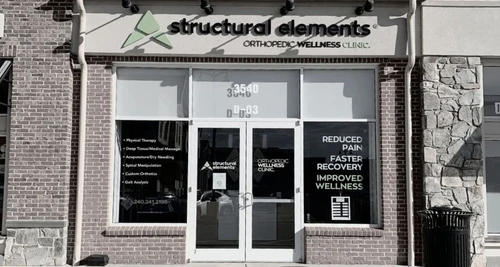
Structural Elements is an innovative orthopedic wellness franchise that combines specialized healthcare services, modern recovery technologies, and personalized treatment programs. Founded on the belief that effective care should address the underlying causes of physical discomfort rather than simply managing symptoms, the brand offers a comprehensive approach to musculoskeletal health, mobility, and human performance.
Unlike traditional physical therapy clinics or fitness centers, Structural Elements operates through a distinctive business model that brings independent healthcare practitioners together under one recognizable brand. Its services incorporate manual therapy, movement assessments, soft-tissue techniques, recovery treatments, and wellness programs designed to support better physical function and long-term well-being.
One of the franchise's defining features is its Micro-Franchisee model, where qualified healthcare practitioners independently provide clinical services while the clinic owner manages the facility, business operations, and overall growth. This structure allows entrepreneurs to enter the healthcare and wellness industry without requiring a medical background.
With growing interest in preventive wellness, physical recovery, and personalized healthcare, Structural Elements offers an opportunity for investors seeking a professionally managed, service-oriented business in the United States.
Why Invest in Structural Elements?
Structural Elements provides entrepreneurs with an opportunity to enter the specialized healthcare and wellness market through a business model designed around practitioner collaboration, recurring revenue opportunities, and personalized patient care.
Growing Healthcare and Wellness Industry: Increasing consumer interest in physical recovery, mobility, sports performance, and long-term wellness supports demand for specialized services.
Unique Franchise Business Model: Independent Micro-Franchisee practitioners deliver clinical care while franchise owners focus on clinic operations, administration, and business development.
No Medical Background Required: Investors can own and manage a Structural Elements clinic without being licensed healthcare practitioners.
Multiple Revenue Opportunities: Clinics can generate income through approved practitioner arrangements, recovery memberships, wellness services, and other eligible offerings.
Specialized Treatment Approach: The brand's proprietary Structural Elements treatment methodology distinguishes it from conventional wellness and fitness concepts.
Franchise Training and Support: Owners receive assistance with site development, clinic setup, practitioner recruitment, operational systems, and marketing.
Multi-Unit Expansion Opportunities: Qualified entrepreneurs may explore Area Development Agreements to establish additional clinics.
Manager-Run Ownership Option: A trained designated manager can supervise daily operations, although owners must remain actively involved in the business.
The franchise may be particularly attractive to investors interested in building a healthcare-focused business with opportunities for long-term market development.
Background
Brand Name: Structural Elements
Established Year: 2013
First Unit Franchised: 2016
Founder: Douglas (Doug) Bertram
Co-Founder: Jason Knicley
Headquarters: Hagerstown, Maryland, USA
Parent Company: Structural Elements Franchising, LLC
Industry Category: Healthcare, Orthopedic Wellness, Physical Recovery, and Human Performance
Franchised Units: 2
Company-Owned Units: 1
Total Franchise Network Units: 3
States Registered In: Maryland (MD), Wisconsin (WI)
Canada Franchises: No
International Franchises: No
Country of Origin: United States
Business Model: Orthopedic wellness clinics supported by independent Micro-Franchisee healthcare practitioners.
Ownership Options: Active owner or manager-run operation with ongoing owner involvement.
Home-Based Business: No
Franchise Territory: Typically designed around a population of approximately 150,000.
Company History and Brand Development
Structural Elements was established as a clinic in 2013 in Hagerstown, Maryland, by Doug Bertram, a licensed acupuncturist and healthcare professional with extensive experience in orthopedic wellness and movement-based treatment.
Bertram developed a treatment philosophy centered on understanding the body's interconnected structures, identifying restrictions in connective tissue, and improving overall physical function. Working alongside physical therapy professional Jason Knicley, the brand expanded its approach by combining principles from Eastern and Western healthcare disciplines.
The company began franchising in 2016, introducing an ownership model that separates clinical treatment responsibilities from clinic management. Its Micro-Franchisee structure allows qualified practitioners to operate independently within a professionally managed Structural Elements facility.
With 2 franchised units and 1 company-owned location, Structural Elements maintains a focused U.S. presence while offering qualified investors opportunities to explore future clinic development. The brand does not currently operate franchises in Canada or other international markets.
Support Training
Structural Elements offers a support system intended to help franchise owners establish, operate, and grow their orthopedic wellness clinics.
Pre-Opening and Site Selection Support
Franchisees receive guidance with evaluating potential markets, identifying suitable commercial locations, planning clinic layouts, and coordinating facility development. The company also provides access to designated design and construction resources to assist with clinic build-out.
Initial Franchise Owner Training
New franchise owners participate in structured training designed to introduce the Structural Elements business model, operational procedures, administrative responsibilities, financial management, and clinic performance expectations. Training includes preparation for opening and operating a professional healthcare facility.
Practitioner Recruitment and Clinical Training
A significant part of the franchise model involves recruiting qualified Micro-Franchisee practitioners. Structural Elements assists with sourcing practitioners who can provide services within the clinic. Healthcare professionals receive specialized education in the brand's proprietary treatment methods and are responsible for maintaining appropriate professional qualifications and licensing.
Marketing and Patient Acquisition Support
Franchise owners receive access to brand marketing resources, local promotional strategies, digital marketing guidance, and patient acquisition systems. Marketing activities may include online advertising, community outreach, professional networking, and building relationships with fitness and wellness organizations.
Technology and Administrative Systems
Structural Elements provides access to technology and operational processes designed to support appointment scheduling, patient administration, clinic management, and coordination between practitioners and administrative personnel.
Ongoing Business Development Support
After opening, franchisees receive continued guidance relating to operational standards, practitioner development, business management, and marketing. Ongoing training and updated resources are intended to help maintain service consistency and support clinic growth.
Ideal Candidate
Structural Elements is designed for financially qualified entrepreneurs who are interested in the healthcare and wellness sector and have the management capabilities to operate a multi-provider clinic.
Business and Leadership Experience
Ideal candidates may come from business ownership, healthcare administration, franchise development, professional services, operations management, or executive leadership. Previous healthcare experience is beneficial but not mandatory.
Financial Qualifications
Prospective owners should have at least $375,000 in liquid capital and a minimum net worth of $1,500,000. They must also be capable of supporting the total startup investment and maintaining sufficient working capital during the business's initial operating period.
Strong Management Capabilities
Franchisees should be comfortable managing administrative personnel, coordinating independent practitioners, monitoring financial performance, and building professional relationships within their communities.
Interest in Health and Wellness
Successful candidates should appreciate the value of personalized healthcare, physical recovery, preventive wellness, and high-quality patient experiences. An interest in helping people improve their mobility and overall well-being aligns with the brand's philosophy.
Active Business Involvement
Although a designated manager can oversee daily clinic operations, Structural Elements is not a fully passive investment. Franchisees should remain engaged in strategic planning, financial oversight, practitioner relationships, and business development.
Location and Market Preference
The franchise is suitable for markets with established healthcare demand, active populations, and access to qualified practitioners. Preferred locations may include growing metropolitan areas, suburban communities, and neighborhoods with convenient accessibility and strong local demographics.
Financial Detail
Starting a Structural Elements franchise requires an investment in commercial real estate improvements, clinical equipment, professional infrastructure, technology, franchise fees, and operating capital.
Financial Requirement | Amount |
|---|---|
Total Initial Investment | $703,450 – $1,458,815 |
Minimum Liquid Capital | $375,000 |
Minimum Net Worth | $1,500,000 |
Initial Franchise Fee | $65,000 |
Additional Unit Franchise Fee | $52,000 per unit under an Area Development Agreement |
Royalty Fee | 8% of gross receipts, minimum $500/month |
Advertising Fee | 1% of gross receipts |
Technology Fee | $350/month |
Estimated Clinic Build-Out | $375,000 – $875,000 |
Ownership Model | Active or Manager-Run |
Fully Passive Ownership | Not Available |
Infrastructure and Setup Costs
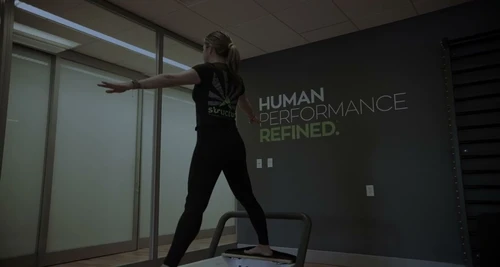
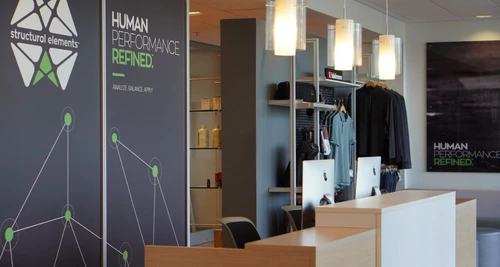
The clinic typically requires approximately 5,000–7,000 square feet of commercial space, with treatment rooms, reception and administrative areas, and facilities for approved recovery and wellness services.
Startup expenses can include leasehold improvements, construction, design, permits, treatment equipment, furniture, signage, technology systems, professional fees, insurance, and other opening costs.
The estimated construction and remodeling expense is $375,000–$875,000, depending on the condition of the premises, local construction costs, and facility specifications. This expense forms part of the overall initial investment rather than an additional cost on top of it.