




Established
2012
Franchise Units
100
Minimum Investment
$650,000
Franchise Fee
$40,000
Total Investment Range
$1,400,000
Home Based
No
Description
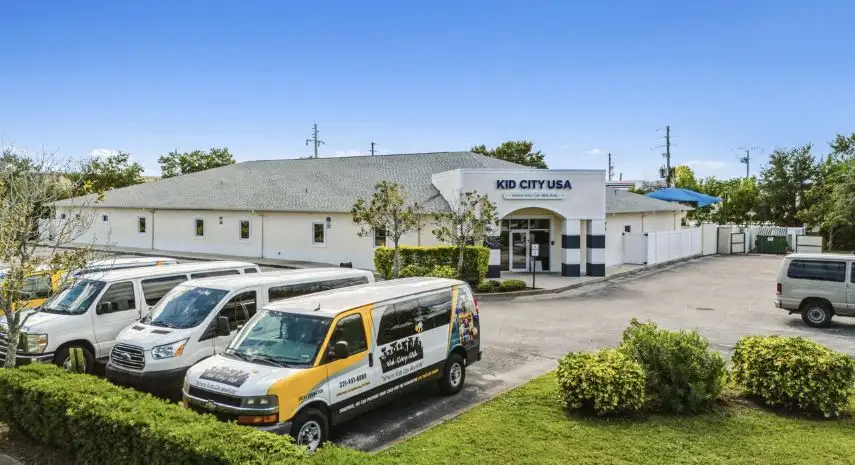
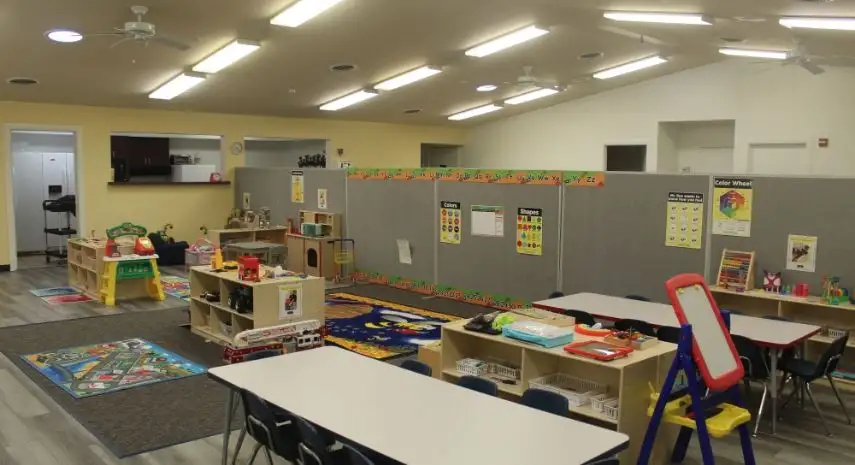
Kid City USA has quickly become one of America’s most trusted early learning and childcare franchise concepts—loved by parents, backed by strong operational systems, and built for long-term growth in the booming childcare industry. Known for its warm, family-first environment and structured early education programs, Kid City USA blends safe childcare, early learning, recreation, and community engagement under one recognizable brand. Families rely on Kid City USA for high-quality daycare, preschool programs, and enrichment activities that create meaningful learning experiences during children’s most important developmental years.
Across the United States, the demand for reliable, structured childcare continues to grow at record levels, fueled by dual-income households, rising early education awareness, and limited supply of quality centers. Kid City USA is positioned at the center of this demand. The brand offers an accessible, scalable model for new and experienced franchisees who want to make a difference in their local community while building a profitable, recession-resistant business. With strong brand recognition, proven curriculum frameworks, and robust support systems, Kid City USA stands out as a franchise built for operators who want consistency, compliance, and community impact.
Why Invest in the Kid City USA Franchise?
Investing in Kid City USA gives entrepreneurs the ability to join a fast-growing early learning brand backed by an expanding network, structured systems, and high parental trust. The childcare industry is one of the most resilient sectors in the U.S. economy—parents need dependable education and childcare regardless of market conditions, creating a powerful recession-proof business model.
The brand offers a balance of strong returns, reasonable entry investment, and operational simplicity compared to many daycare models. Franchisees benefit from structured processes, streamlined licensing guidance, proprietary learning approaches, and ongoing business coaching. This reduces the guesswork and shortens the ramp-up period for new centers.
Kid City USA also offers flexible real estate formats, making it easier for franchisees to expand their footprint or enter markets with high demand but limited inventory. Whether you’re exploring a single-unit location or planning a multi-unit development strategy, the brand offers strong scalability and long-term revenue potential.
Background
Established Year: Kid City USA was founded in 2012.
Founders: Developed by early childhood education professionals passionate about creating a safe, structured, and accessible childcare environment for American families.
Franchise Active Units – Current Number: Over 100+ operational and in-development locations across the United States.
Industry Category: Early Childhood Education, Daycare, Preschool, Children’s Learning & Care.
Brand Journey & Company History:
Kid City USA began as a single community-focused childcare center with a commitment to creating a warm, safe, and academically supportive space for young children. The success of its first locations, driven by strong parent satisfaction and consistent enrollment growth, led to formal franchising in the early 2010s. Since then, the brand has expanded across multiple states, establishing a reputation for dependable early childhood education, compliance-driven operations, and a franchise model that balances quality with affordability.
Ownership & Market Presence in the USA:
Kid City USA operates throughout numerous U.S. markets with a footprint that continues to grow each year. The brand’s expansion is driven by rising demand for high-quality childcare centers and the need for trusted, standardized early learning programs.
Today, Kid City USA is recognized for combining structure, safety, curriculum-based learning, and family-oriented customer service—making it one of the most scalable options in the childcare franchise sector.
Support Training
Kid City USA provides franchisees with a highly structured support system designed to build confidence, ensure compliance, and streamline operations from day one.
Pre-Launch Support:
• Real estate site selection guidance
• Market demographics and territory analysis
• Lease negotiation assistance
• Center layout and architectural planning
• Licensing support for state childcare compliance
• Full pre-opening checklist and onboarding system
• Vendor partnerships for furniture, supplies, and educational materials
Operational Training:
• Comprehensive multi-day training on center management
• Classroom procedures, curriculum delivery, and student engagement
• Child safety protocols and regulatory compliance
• Staff hiring, onboarding, and retention strategies
• Technology systems, scheduling tools, and parent-communication software
Marketing Support:
• Pre-opening marketing campaigns
• Local digital advertising strategy
• Referral and community marketing playbooks
• Brand assets, creative templates, and promotional material
• Reputation management guidance
Academic & Program Training:
• Structured early learning curriculum frameworks
• Classroom activity guides and lesson plans
• Developmental milestone tracking systems
• Support for program quality audits
Ongoing Support:
• Regular performance check-ins and coaching
• Operational audits and compliance reviews
• Continued curriculum updates
• Franchisee events, peer support, and training refreshers
• Centralized support team for all operational challenges
The support ecosystem ensures franchisees feel confident operating and scaling their Kid City USA location.
Ideal Candidate
Kid City USA is designed for entrepreneurs who want to build a purpose-driven business while earning strong financial returns. A background in education is not required, but a passion for early learning, leadership, and community impact is important.
The ideal Kid City USA franchisee includes:
• Entrepreneurs seeking a recession-resistant business
• Individuals who enjoy leading teams and engaging with families
• Purpose-driven professionals passionate about children’s development
• Multi-unit investors seeking scalable opportunities
• Former educators or administrators looking for business ownership
• Local business owners expanding into the childcare or service sector
Personal Strengths:
• Strong organizational and operational ability
• Ability to build relationships within the community
• Commitment to safety, quality, and compliance
• Willingness to follow proven systems
• Interest in long-term growth and multi-center ownership
Location Preferences:
Kid City USA thrives in suburban communities, residential zones, family-dense neighborhoods, and high-visibility commercial corridors with strong demand for childcare services.
Financial Detail
Below is a general financial framework based on typical childcare franchise investments. (Note: always refer to the brand’s FDD for official numbers.)
Total Investment Required: $650,000 – $1,400,000+
Minimum Investment Required: Approximately $650,000
Franchise Fee: Around $40,000 – $50,000
Royalty Fees: Typically 6% of gross sales
Marketing/Brand Fund Fee: Approximately 1%–2%
Franchise Units: 100+ locations nationwide
Infrastructure Costs:
• Build-out, construction, classroom design
• Fixtures, furniture, playground equipment
• Security systems and safety features
• Curriculum materials and technology
Marketing Budget:
$10,000 – $25,000 for grand-opening and local advertising campaigns
Working Capital:
$50,000 – $100,000 for initial staffing, supplies, and operational reserves
Expected ROI:
Many centers achieve strong profitability once stabilized, with long-term ROI driven by predictable tuition revenue, high enrollment rates, and recurring monthly billing cycles.
Break-Even Period:
12 – 24 months depending on market demand, center capacity, and occupancy ramp-up.
Potential Revenue Streams:
• Daily childcare tuition
• Preschool and early learning programs
• Extended care and after-school programs
• Summer camps and enrichment programs
• Registration fees, supply fees, and late-pickup fees
• Merchandise or educational add-ons