Fibrenew Franchise Success Story: From Burnout to Business Ownership
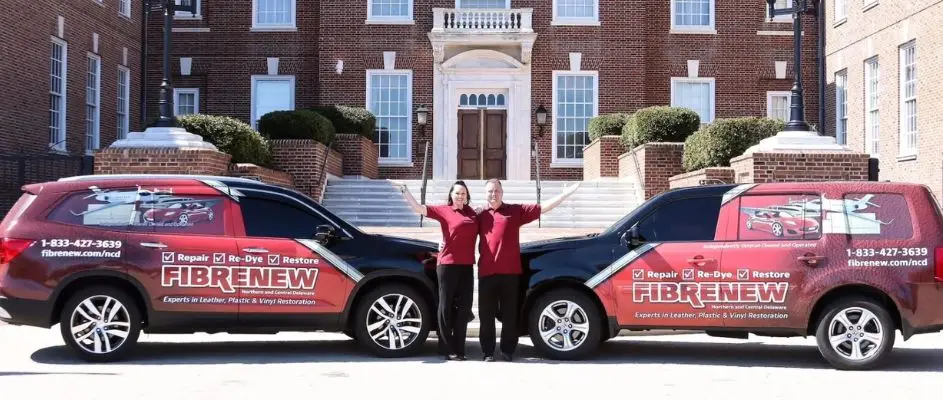
A Career Reset: How One Entrepreneur Found Freedom with Fibrenew
In today’s fast-paced corporate environment, burnout has become more common than ever. Long hours, limited control, and constant pressure leave many professionals questioning their future. For one former corporate employee, the turning point came when the daily grind no longer aligned with personal goals or family priorities. Instead of switching employers, this individual chose a different path entirely — franchise ownership with Fibrenew.
Fibrenew, a mobile leather, plastic, and vinyl restoration franchise, offers a business model built around flexibility, low overhead, and essential services. Rather than managing a storefront or large staff, franchisees operate a home-based, mobile service business that restores damaged furniture, automotive interiors, medical equipment surfaces, and commercial seating. The simplicity of the model combined with growing demand for restoration over replacement made it a compelling alternative to corporate life.
From Corporate Stress to Entrepreneurial Control
After years in a demanding professional role, the franchisee realized that climbing the ladder was no longer delivering satisfaction. Income stability was there, but freedom was not. The appeal of becoming a business owner wasn’t just about money — it was about control over schedule, decision-making, and long-term growth.
Fibrenew stood out for several reasons:
• Home-based, mobile operations with minimal startup costs compared to retail franchises
• Recession-resistant services focused on repair instead of costly replacement
• Strong training systems that don’t require prior restoration experience
• Protected territories for long-term growth
Instead of managing office politics and unpredictable workloads, the franchisee now manages client appointments, local marketing, and service quality — all within a structured system backed by an established brand.
Why the Fibrenew Franchise Model Works
Fibrenew has built its reputation on specialized restoration services that are always in demand. From ripped leather sofas to cracked car seats, the need for skilled restoration professionals spans residential, automotive, healthcare, hospitality, aviation, and commercial markets. This diversified customer base creates stability and recurring revenue opportunities.
Key advantages of the model include:
• Low overhead without expensive retail rent
• High-margin service-based revenue
• Eco-friendly positioning through sustainable repair solutions
• Scalable operations with potential to add technicians
The business also aligns with modern consumer behavior. More customers are choosing to repair rather than replace high-value items. Restoration saves money, reduces waste, and extends product life — a compelling value proposition in today’s economy.
Comprehensive Training and Ongoing Support
Transitioning from corporate life to franchise ownership can be intimidating, but Fibrenew’s structured onboarding process reduces risk. New franchisees receive hands-on technical training covering leather repair, color matching, vinyl restoration, and customer service. Beyond technical skills, the company provides operational guidance, marketing support, and business coaching.
This support system allows professionals with no prior restoration background to confidently launch and grow their business. Marketing tools, CRM systems, and territory management strategies ensure franchisees are not navigating entrepreneurship alone.
A Better Work-Life Balance
Perhaps the biggest benefit for this franchisee wasn’t financial — it was lifestyle improvement. Operating a mobile service business allows for schedule flexibility. Instead of rigid corporate hours, workdays are built around booked appointments. The result is more family time, less commuting stress, and greater personal fulfillment.
For professionals feeling trapped in high-pressure careers, service-based franchises like Fibrenew present a practical solution. It’s not simply about escaping burnout; it’s about replacing it with ownership, autonomy, and sustainable growth.
Inspired by Weed Man's growth story?
Explore franchise opportunities and build your own legacy.
Explore OpportunitiesGet the latest franchise insights
Subscribe to our newsletter and never miss an updated.