High-Demand Child Care & Learning Center Opportunities in the USA
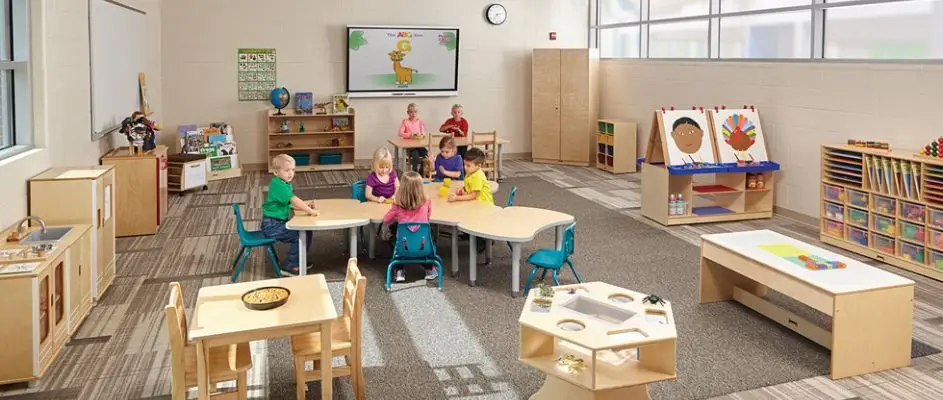
The child care and early education sector in the USA has never been more essential, more recession-resistant or more attractive for long-term investors. Families today want more than traditional daycare. They are searching for structured learning environments, skills-based enrichment, early academic programs, social-development opportunities and safe recreational spaces that support children’s physical, emotional and cognitive growth. This shift has created a wave of high-demand child care franchise opportunities and child learning center franchise models that allow investors to enter a market with steady growth and strong community need.
Across the United States, families are prioritizing early childhood development, STEM readiness, physical wellness, creative learning and supplemental education. At the same time, dual-income households and rising workplace demands are making reliable, high-quality child care a top priority for parents. This combination of parental demand and systemic need has opened the door for entrepreneurs to build meaningful, profitable, and future-proof businesses in the child care and enrichment industry.
This comprehensive guide explores the child care industry’s momentum, the most promising opportunities for franchise buyers, investment advantages, ideal owners, cost structure expectations and the top brands shaping America’s next generation of learning and care.
Internal Links Required (Included per your instructions)
To explore broader franchise opportunities relevant to education investors, you may also review:
Franchise Opportunities in Canada : https://franchisevoice.com/franchise-for-sale/canada
Franchise Opportunities in the USA : https://franchisevoice.com/franchise-for-sale/united-states
The Rising Demand for Child Care & Learning Center Franchises in the USA
The competitive landscape for child-focused services has expanded far beyond daycare. Parents now seek specialized learning programs, academic support, early STEM training, therapeutic care, physical activity programs and creative workshops that help their children thrive socially, mentally and physically.
Several factors fuel this demand:
1. Growth of Dual-Income Households
More families rely on both parents working, increasing the need for reliable, professional child care solutions. This is a key driver behind the popularity of structured learning centers and youth-focused recreational programs.
2. Increased Spending on Early Education
American families consistently invest in academic enrichment—from STEM to reading support, sports training and physical development. Parents view these programs as essential rather than optional.
3. Shrinking Supply of Local Providers
Many independent preschools, tutoring centers and daycares lack the resources to scale or modernize. Franchises step in with proven systems, strong branding and professional operations.
4. Rising Awareness of Children’s Mental & Physical Wellness
More parents want programs that combine cognitive development, creativity, communication skills, teamwork, physical activity and emotional support.
Brands like Challenge Island and Soccer Stars directly respond to this shift, offering structured programs that improve physical coordination, problem-solving and social skills.
5. Franchising Creates Standardized Quality
Families prefer structured programs with consistent curriculum, safety procedures and trained staff. Franchise brands offer reliability and trust, allowing parents to feel confident in their choice.
Because of these trends, child care franchise opportunities and child learning center franchise options continue to be preferred investments for entrepreneurs seeking low-risk entry to a stable sector backed by constant demand.
Why Investors Are Turning to Child Care & Learning Center Franchises
The child care industry offers a rare combination of purpose-driven mission and strong business fundamentals. Investors appreciate the predictable revenue streams, steady enrollment cycles and multi-unit scalability.
1. Recurring Revenue
Most child learning centers operate on tuition-based or membership-based models. This creates predictable monthly revenue, making financial planning straightforward.
2. Recession-Resistant Demand
Child care does not rely on economic cycles. Families need reliable care regardless of market fluctuations, making it one of the most recession-proof sectors in franchising.
3. High Parent Loyalty
When families trust a program with their children, they tend to remain enrolled for years. Strong retention reduces the need for constant new customer acquisition.
4. Strong Community Impact
Learning centers and youth-focused programs play a meaningful role in local communities. Investors often appreciate building a business with real social value.
5. Scalable Multi-Unit Models
Many child care franchises scale efficiently across territories. Operators who begin with one location often expand to multiple centers once the model proves successful.
6. Daytime Hours & Predictable Operations
Most programs operate on structured daily schedules, allowing owners to manage staff efficiently and maintain work–life balance.
This combination of mission alignment and financial strength is why many entrepreneurs—including educators, franchise buyers and new investors—view this sector as one of the most promising in franchising.
High-Demand Child Care & Learning Center Franchise Categories in the USA
The sector is diverse and includes a wide range of child-focused service models. Each category meets different needs but offers strong long-term growth.
1. STEM & Academic Learning Centers
Parents increasingly want to give their children a head start in academics, technology and problem-solving. Brands such as Stemtree, Wize Computing Academy and Best in Class Education Center represent the next generation of education franchises.
What makes academic learning centers profitable:
• Consistent tuition-based revenue
• High retention as students progress each year
• Scalable program offerings for multiple age groups
• Strong performance-based reputation in local communities
• Alignment with national STEM, math and literacy standards
Programs commonly offered:
• STEM labs
• Robotics and coding classes
• Reading, writing and math support
• Enrichment camps
• Homework help and test prep
• Curriculum-based after-school programs
These brands appeal to parents seeking long-term academic development rather than short-term enrichment.
2. Youth Sports & Physical Development Programs
Physical activity programs have surged as families prioritize health, socialization and teamwork. Brands such as Soccer Stars and recreational centers like Sky Zone Trampoline Park offer structured physical experiences that attract consistent foot traffic and enrollment.
Why this category is growing:
• Increase in youth sports participation
• Strong demand for safe indoor activity spaces
• Birthday parties and event rentals generate high-margin revenue
• Year-round programming regardless of weather
• Opportunities for recurring classes, leagues and camps
Youth sports franchises attract parents looking for fun, safe and skill-building activities for children aged two to twelve.
3. Creative & Culinary Education Experiences
Hands-on, creative learning has become central to early-childhood development. Brands like Taste Buds Kitchen excel here by introducing children to cooking, creativity and interactive workshops.
Why creative franchises remain high-demand:
• Parents want enrichment beyond screen time
• Encourages creativity, confidence and fine motor skills
• Ideal for camps, parties and after-school programs
• Multiple revenue channels from workshops to retail
Culinary, arts and maker-oriented experiences remain essential for helping children build independence and problem-solving abilities.
4. Social-Emotional & Therapeutic Support Programs
The rise in awareness around developmental delays, speech challenges, behavioral needs and emotional health has created growing demand for specialized services. Brands such as Essential Speech and ABA Therapy meet this crucial need.
Key advantages:
• High community demand with long waitlists
• Essential services covered by insurance in many states
• Strong repeat engagement per child
• Specialized staff, structured programs and professional credibility
Investors entering this category contribute to a vital community service that supports families in meaningful, life-changing ways.
5. Home-Based Pediatric Support & Medical-Inclusive Child Care
As families seek more personalized care for children with medical needs, at-home pediatric support has emerged as a specialized opportunity. First Day Homecare represents this segment with high-trust services focused on nursing and long-term developmental support.
Strengths of this model:
• Essential services with recurring revenue
• Professionalized staffing
• High parent loyalty
• Strong referral networks from pediatric clinics and specialists
This category allows franchise owners to participate in a medically oriented service sector while relying on trained professionals to deliver care.
6. Mobile Treats, Food & Experience-Based Child Brands
Not all child-focused franchises operate through fixed learning centers. Experiential, event-driven youth brands such as Frios Gourmet Pops appeal to families looking for fun, simple experiences.
Why mobile experiential brands work:
• Low overhead
• High event-based profitability
• Scalability through territories
• Popular with schools, parties, sports leagues and community events
Investors who prefer a lower-cost, flexible business model often consider these brands as an entry point into the child-focused sector.
Top High-Demand Child Care & Learning Center Opportunities in the USA
Below is an in-depth perspective on each featured brand, positioned through an investor’s lens. These descriptions enhance credibility and give readers a clearer view of the segment’s diversity.
1. Sky Zone Trampoline Park
Sky Zone offers a large-scale recreational experience that doubles as an active child development environment. Families choose Sky Zone because it provides a safe, structured indoor space for physical activity, social interaction and energy release. Programs, memberships, birthday events and youth programs drive recurring and high-margin revenue. Its focus on safe physical engagement aligns with parents looking for healthier, screen-free activities.
2. Soccer Stars
A national leader in youth soccer instruction, Soccer Stars delivers curriculum-based training for children as young as one year old. Families appreciate its developmental approach, emphasis on skill-building and consistent programming. The model supports flexible facility requirements, scalable program offerings and strong community demand for youth sports.
3. Stemtree
Stemtree offers a technology-forward curriculum focused on STEM fundamentals, robotics, engineering, math and science. The brand targets parents who want early academic enrichment, helping children build confidence and problem-solving skills. Stemtree’s structured education format positions it as one of the strongest child learning center franchise options for investors seeking long-term academic value.
4. Taste Buds Kitchen
A creative culinary studio offering hands-on cooking classes, camps and birthday experiences. Parents value programs that teach independence, nutrition and creativity. The brand stands out with its high-quality curriculum and year-round revenue streams. It appeals to investors who want a community-focused learning environment with built-in demand from families.
5. Wize Computing Academy
This brand specializes in coding, robotics, AI foundations and computer science education. As technology continues to shape the future workforce, parents want early exposure for their children. Wize Computing Academy offers scalable summer camps, after-school programs, in-school partnerships and center-based classes.
6. Best in Class Education Center
A proven academic learning center focused on tutoring, math, English, test prep and enrichment. The model delivers strong retention and measurable academic results for children, making it a trusted choice in local communities. Investors value its structured curriculum and strong support system.
7. Challenge Island
Challenge Island combines STEM, creativity, teamwork and project-based learning in a unique, adventure-style format. The brand is mobile-friendly and operates school partnerships, camps and after-school programs. It appeals to educators and entrepreneurs who want a flexible, low-overhead learning business.
8. Essential Speech and ABA Therapy
A specialized therapy-focused model meeting the high demand for speech, behavioral and developmental support. The brand offers science-based treatment programs for children with communication and behavioral needs. Investors appreciate the strong demand, long-term engagement and professionalized operations.
9. First Day Homecare
A pediatric-focused service offering home-based care for children with medical or developmental needs. The brand provides high-trust, nurse-led care that enriches the lives of families requiring additional support. Investors entering this category fulfill a vital role while benefiting from recurring and reliable revenue streams.
10. Frios Gourmet Pops
A fun, flexible, low-cost business offering handcrafted frozen treats, often operating through mobile units and event-based models. Families love the brand for its approachable simplicity and its popularity at youth gatherings, sports events and school functions. It is an appealing entry-level franchise for investors who want to start small while still targeting child-focused audiences.
Who Should Invest in a Child Care or Learning Center Franchise?
Different franchise models attract different types of owners, but the sector overall appeals to mission-driven entrepreneurs. Ideal investors typically include:
1. Business-Minded Entrepreneurs Seeking Stability
Owners looking for consistent revenue and long-term growth appreciate the predictable nature of child care and learning center operations.
2. Educators & Academically Oriented Professionals
Former teachers, administrators and education consultants bring natural alignment to academic learning center franchises.
3. Early-Childhood Professionals
Those already passionate about child development easily transition into leadership roles within learning centers or STEM programs.
4. Multi-Unit Franchise Buyers
Entrepreneurs seeking portfolio expansion view child learning centers as a complementary addition to retail, fitness or service-based holdings.
5. Investors Driven by Purpose & Community Impact
Many owners enter this sector for more than profit. They want to build purposeful businesses that uplift families, support communities and provide safe places for children.
6. Healthcare Professionals
Therapy-based and homecare-oriented child care models often attract nurses, allied health professionals and medically trained entrepreneurs.
Each category of franchise buyer aligns differently with the brands featured in this guide, allowing investors to match their strengths with the right opportunity.
Key Factors Investors Should Evaluate Before Choosing a Child Care Franchise
Before selecting a franchise, investors should carefully assess structured criteria to ensure long-term success.
1. Curriculum Strength & Program Design
High-performing franchises offer structured, research-backed curricula that evolve with child development standards.
2. Safety Systems & Staff Training
Parents judge child care brands by their safety protocols, staff qualifications and facility standards.
3. Revenue Model
The strongest franchises combine multiple streams of income such as:
• Tuition
• Memberships
• Camps
• Events
• Retail add-ons
• Partnerships with schools or organizations
4. Licensing & Compliance
Child care regulations vary across states. Investors should understand certification requirements, background checks and local licensing processes.
5. Facility Requirements
Some franchises operate from dedicated learning centers while others use mobile or hybrid models. Investors should consider construction needs, location demand and long-term scalability.
6. Brand Reputation
Franchises with strong parent satisfaction scores and community trust enjoy high retention and easier enrollment.
7. Market Demand in Selected Territories
High-density family regions, suburban communities and areas with strong school districts tend to produce the best long-term results.
Investment Overview: What It Costs to Enter the Child Learning Center Sector
Investment levels vary widely depending on the model. While specific brand figures differ, typical ranges include:
1. Learning & Academic Centers
Investment: Often mid-range
Costs include curriculum licensing, facility build-out, staffing and marketing.
2. STEM, Robotics & Coding Centers
Investment: Moderate
Revenue potential is strong due to recurring enrollment and high parent demand.
3. Youth Sports Programs
Investment: Moderate to high
Facilities like trampoline parks have higher build-out costs but generate significant revenue from memberships and events.
4. Creative Studios & Culinary Education Centers
Investment: Moderate
These facilities balance lower overhead with strong demand for camps and workshops.
5. Therapy & Medical Support Programs
Investment: Mid-to-high depending on licensing
These models provide specialized services that generate deeply consistent revenue.
6. Mobile Food & Experience Brands
Investment: Low to medium
High event-based profitability with minimal overhead.
Strategic Internal Links
To support readers seeking broader franchise research and exploration, the following internal links are placed contextually:
Investors researching opportunities beyond the USA may also explore additional models through Franchise Opportunities in Canada on the FranchiseVoice platform:
Franchise Opportunities in Canada
For a comprehensive list of franchise categories available across the United States, including child-focused brands, use the national directory here:
Franchise Opportunities in USA
How to Choose the Right Child Care Franchise for Your Market
Selecting the right brand requires alignment between the investor’s goals and the local community’s needs.
1. Conduct Demographic Analysis
Look for regions with:
• Young families
• Growing suburban communities
• Demand for after-school programs
• High education spending trends
• Limited existing competition
2. Evaluate Brand Differentiation
Parents want programs with clear value such as STEM instruction, specialized sports training, therapeutic support or creative learning.
3. Assess Support Systems
The best franchise brands provide strong onboarding, marketing, staffing guidance, training programs and ongoing operational support.
4. Compare Multi-Unit Opportunities
Some brands offer discounted expansion for investors who commit to multiple territories upfront.
5. Understand Your Strengths as an Owner
If you prefer teaching and academic excellence, choose education-driven franchises.
If you enjoy community events and physical activity, consider youth sports or recreational centers.
If you're passionate about healthcare, therapeutic care or medical services, the pediatric support category may be ideal.
Future Outlook: Why Child Care & Learning Centers Will Continue to Dominate
The child care industry continues to evolve, but several long-term trends suggest its trajectory will only grow stronger.
1. Increasing Focus on School Readiness
Parents want programs that prepare children academically and socially. Learning centers provide essential support.
2. Rapid Expansion of STEM
Technology skills are now considered foundational. Early coding, robotics and engineering programs will only become more essential.
3. Heightened Interest in Mental Health & Developmental Support
Families increasingly seek speech therapy, ABA therapy and holistic child development services.
4. Demand for Reliable Child Care Infrastructure
Workplace needs and community expectations ensure continued demand for structured programs.
5. Growth in Activity-Based Experiences
Parents continue to invest in physical, creative and experience-driven programs that reduce screen time and encourage movement.
6. Immense Potential for Multi-Unit Expansion
Strong brands in child care and education offer large territories and multi-unit scalability for long-term investors.
Conclusion: The Best Time to Enter the Child Care & Learning Center Market Is Now
The combination of economic stability, mission-driven work, recurring revenue and continued parental demand makes child care franchise opportunities and child learning center franchise models some of the most compelling investments in the USA today. Whether through STEM enrichment, sports instruction, culinary learning, creative programs, therapeutic services, pediatric homecare or experiential child-focused brands, the sector offers something for every type of investor.
Parents want high-quality programs that enrich their children’s development. Communities want reliable providers that create safe, engaging environments. And investors want businesses with resilience, scalability and positive impact.
The brands highlighted throughout this guide—including Sky Zone Trampoline Park, Soccer Stars, Stemtree, Taste Buds Kitchen, Wize Computing Academy, Best in Class Education Center, Challenge Island, Essential Speech and ABA Therapy, First Day Homecare and Frios Gourmet Pops—represent a powerful cross-section of high-demand opportunities shaping the future of America’s children.
For investors, this is more than a business. It is a chance to build a meaningful, profitable and sustainable presence in one of the country’s most important industries.
Inspired by Weed Man's growth story?
Explore franchise opportunities and build your own legacy.
Explore OpportunitiesGet the latest franchise insights
Subscribe to our newsletter and never miss an updated.