Restoration & Water Damage Maintenance Franchises in the USA
Overview of the Restoration & Water Damage Franchise Sector
The restoration and water damage maintenance industry in the United States is built on urgency, compliance, and non-discretionary demand. Floods, burst pipes, sewage backups, fire damage, mold outbreaks, and infrastructure failures are not optional repairs. They require immediate professional intervention. This is why restoration and water damage maintenance franchises USA continue to outperform many consumer-facing franchise categories, even during economic downturns.
Unlike retail or lifestyle franchises that rely on consumer spending cycles, restoration services are driven by necessity, insurance claims, regulatory standards, and property preservation requirements. When a home, commercial building, or industrial facility is compromised, speed and professionalism matter more than price. Franchise systems that deliver standardized processes, trained technicians, and insurer-ready documentation are positioned to capture consistent, high-value work.
This long-form guide is designed for entrepreneurs, operators, and investors evaluating restoration and water damage maintenance franchises USA. It supports informational research, commercial comparison, and transactional decision-making, with a focus on scalability, operational reality, and long-term viability.
Franchise Opportunities in USA: https://franchisevoice.com/franchise-for-sale/united-states
Franchise Opportunities in Canada: https://franchisevoice.com/franchise-for-sale/canada
Why Restoration & Water Damage Franchises Are Recession-Resistant
Few service industries are as structurally resilient as restoration. Three macro forces sustain demand.
First is aging infrastructure. Residential housing stock, apartment complexes, hospitals, schools, and commercial buildings across the U.S. are decades old. Plumbing failures, roof leaks, HVAC issues, and sewer backups increase as structures age, creating steady demand for water damage and remediation services.
Second is climate volatility. Extreme weather events, flooding, hurricanes, wildfires, freeze-thaw cycles, and heavy rainfall have increased both in frequency and severity. Each event generates thousands of emergency restoration calls across affected regions.
Third is insurance and regulatory pressure. Mold remediation, fire cleanup, air quality restoration, and commercial exhaust system cleaning are governed by codes, certifications, and insurer requirements. This favors professional operators with documented processes and trained crews over independent contractors.
These forces combine to make restoration and water damage maintenance franchises USA among the most durable service investments available.
Who This Industry Is For
This sector is not a passive investment. It rewards operators who value systems, execution, and relationship-based selling.
Ideal franchise owners include hands-on entrepreneurs who can manage crews, vehicles, and emergency schedules; professionals from construction, facilities management, insurance, or mechanical services; sales-oriented owners comfortable building relationships with adjusters, property managers, and commercial clients; and investors seeking scalable, multi-territory service businesses rather than storefront retail concepts.
Semi-absentee ownership is possible in mature operations, but most franchise systems perform best when owners are actively involved during the first 18 to 24 months.
Core Services Within Restoration Franchises
Restoration and water damage maintenance franchises USA typically operate across multiple service verticals.
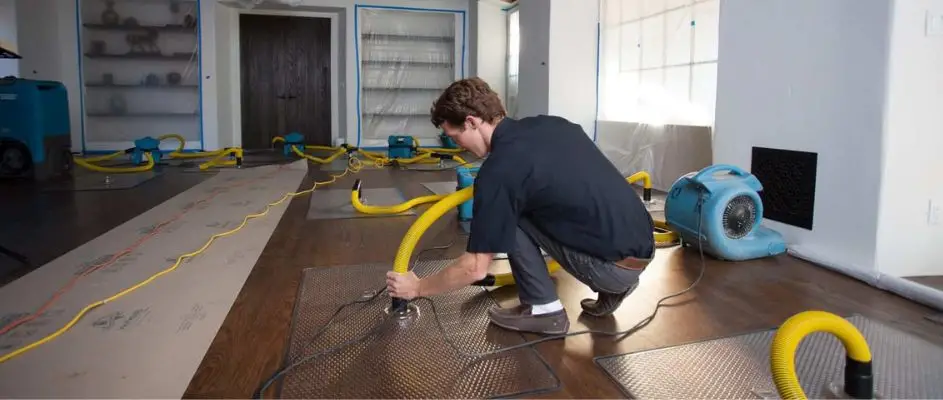
Emergency water mitigation includes water extraction, structural drying, dehumidification, and moisture control following floods or pipe failures.
Fire and smoke restoration involves debris removal, odor elimination, soot cleanup, and structural stabilization.
Mold remediation addresses indoor air quality, microbial growth, containment, and preventive treatment.
Duct and HVAC restoration focuses on air duct cleaning, contamination removal, and post-damage air quality correction.
Commercial exhaust and hood cleaning targets grease buildup and fire prevention in restaurant and institutional kitchens.
Debris removal and hauling often support restoration projects by clearing damaged contents and materials.
The most profitable operators cross-sell services to increase average job value and reduce reliance on any single revenue stream.
Revenue Streams and Payment Models
Revenue in restoration franchises comes from a mix of emergency response, scheduled remediation, and recurring maintenance.
Insurance-driven claims represent a significant portion of total revenue. These jobs are often higher ticket but require strict documentation and patience with payment timelines.
Residential direct-pay jobs offer faster payment cycles and margin flexibility.
Commercial contracts provide predictable recurring revenue through maintenance agreements, inspections, and compliance services.
Ancillary services such as content cleaning, odor removal, and light reconstruction enhance job profitability.
Strong operators balance these channels to stabilize cash flow and reduce dependency on any single source.
Investment Structure and Startup Costs
Restoration and water damage maintenance franchises USA typically require moderate to high initial investment compared to basic home services.
Capital allocation includes service vehicles, drying and remediation equipment, safety gear, certifications, insurance coverage, and working capital to manage payroll during insurance reimbursement cycles.
Unlike retail franchises, build-out costs are usually limited to light industrial or warehouse space. There is no requirement for high-visibility storefronts or expensive tenant improvements.
Profitability depends heavily on operational discipline, job costing accuracy, crew utilization, and effective scheduling during surge events.
Operational Realities Franchisees Must Understand
Emergency response is central to restoration. Many systems operate 24/7, especially during weather events. Owners must be prepared to manage on-call rotations and surge capacity.
Insurance work requires process adherence. Documentation errors can delay or reduce payments, making training and systems critical.
Hiring and retention are ongoing challenges. Certified technicians are in high demand. Culture, training, and leadership directly affect service quality.
Marketing is relationship-driven. While consumer advertising plays a role, insurer relationships, adjuster trust, and property manager referrals often drive the most valuable work.
Brand Perspectives and Market Positioning
AAMCO Transmissions and Total Car Care
AAMCO demonstrates how maintenance-focused franchise systems achieve longevity through standardized operations and repeat demand. While automotive-focused, its credibility reflects disciplined franchising and scalable service delivery across markets.
DRYmedic Restoration Services
This brand operates as a focused restoration system emphasizing water damage, fire cleanup, mold remediation, and disaster response. Its positioning centers on rapid response, technician certification, and insurance-aligned workflows.
PuroClean
PuroClean is known for its strong presence within insurance and property management channels. The brand emphasizes compliance, professional standards, and structured training that supports consistent service delivery.
Rainbow Restoration
Rainbow Restoration offers a broad service mix across residential and commercial restoration. Its long-standing market presence contributes to brand recognition and insurer familiarity.
1-800 WATER DAMAGE
Positioned around emergency response, this model emphasizes centralized call handling and fast dispatch. Operational efficiency and lead conversion are central to its value proposition.
DUCTZ
DUCTZ focuses on HVAC system cleaning and restoration, often complementing water damage and mold remediation projects. Technical specialization and recurring commercial work define its positioning.
Mr. Duct Cleaner
This brand emphasizes residential and light commercial duct cleaning with simplified operations and repeat service cycles.
HOODZ
HOODZ operates in the commercial kitchen exhaust cleaning and fire prevention niche. Demand is code-driven and recurring, with strong compliance requirements.
College Hunks Hauling Junk and Moving
This brand intersects with restoration through debris removal and post-damage cleanup. Operational scale and standardized logistics support restoration workflows.
Territory, Scalability, and Exit Potential
Most restoration franchises offer protected territories based on population or geographic boundaries. Once systems are proven, multi-territory expansion is common.
Because these businesses are asset-light, system-driven, and often supported by recurring referral relationships, exit potential is attractive. Well-run operations with diversified revenue streams and clean financials are appealing to both strategic buyers and private investors.
Internal Franchise Research Resources
For investors comparing opportunities across North America, internal directories provide structured starting points.
Franchise Opportunities in USA: https://franchisevoice.com/franchise-for-sale/united-states
Franchise Opportunities in Canada: https://franchisevoice.com/franchise-for-sale/canada
Final Analysis
Restoration and water damage maintenance franchises USA occupy a unique position in the franchise landscape. They are necessity-driven, compliance-focused, and aligned with long-term infrastructure and climate trends. While operationally demanding, they reward disciplined owners with resilient demand, scalable growth, and durable enterprise value.
Inspired by Weed Man's growth story?
Explore franchise opportunities and build your own legacy.
Explore OpportunitiesGet the latest franchise insights
Subscribe to our newsletter and never miss an updated.