Biscuit Belly Triples Its Size With Maple Street Acquisition
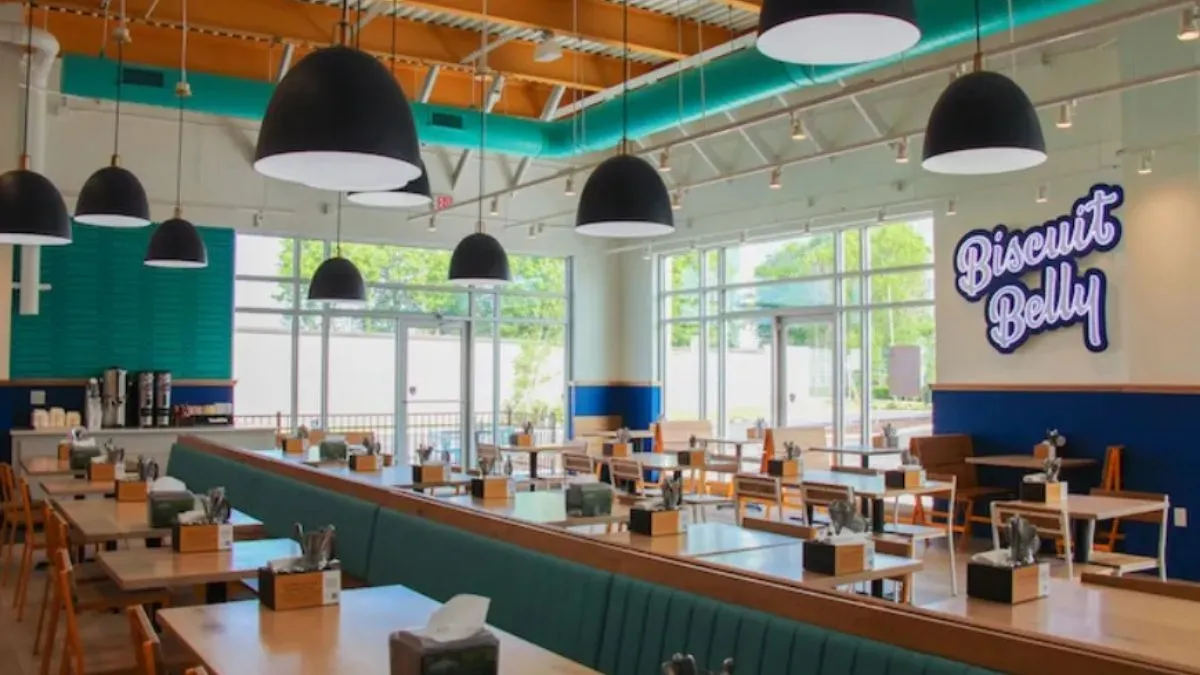
Biscuit Belly is preparing for its largest expansion yet after acquiring Maple Street Biscuit Company and its 35 restaurant locations.
The transaction increases Biscuit Belly’s footprint from 15 restaurants to approximately 50, more than tripling the size of the breakfast and brunch brand. It also moves the company significantly closer to its goal of operating more than 60 locations by the end of 2028.
Financial details of the acquisition were not disclosed.
Acquisition Creates a Faster Path to Growth
Finding quality restaurant sites has become increasingly difficult for growing food brands. Competition for well-positioned properties, rising construction costs and lengthy development timelines can all slow expansion.
For Biscuit Belly co-founders Lauren and Chad Coulter, acquiring an established restaurant network offered a practical alternative to building every new location from the ground up.
Many Maple Street Biscuit Company restaurants already have layouts that closely match Biscuit Belly’s preferred format. A typical Biscuit Belly restaurant occupies approximately 2,800 to 3,000 square feet. Most Maple Street locations fall within a similar range, although some are larger at roughly 3,000 to 4,000 square feet.
The compatible footprints should help simplify the conversion process and reduce some of the real estate challenges involved in opening dozens of individual restaurants.
An Opportunity Emerges From Cracker Barrel
Cracker Barrel purchased Maple Street Biscuit Company in 2019 for $36 million in cash. The Coulters later began examining the brand’s potential after reviewing information shared during Cracker Barrel earnings calls.
As Cracker Barrel placed greater attention on its core operations, Biscuit Belly saw an opportunity to acquire a restaurant concept with compatible locations, a strong regional presence and a menu category closely connected to its own business.
The transaction was finalized recently, giving Biscuit Belly control of Maple Street’s 35-unit system.
All former Maple Street restaurants are currently expected to remain company-owned and operated under Biscuit Belly.
Restaurant Conversions Will Begin in January
Biscuit Belly plans to begin converting Maple Street locations in January. The full transition is expected to take between 18 and 24 months.
The restaurants are primarily located throughout the Southeast, giving Biscuit Belly an established regional network from which to continue growing.
Before major conversions begin, the company is visiting individual restaurants to evaluate immediate operational needs. Some locations may require basic improvements such as fresh paint, replacement ceiling tiles or updated kitchen equipment.
These early upgrades are intended to support employees and improve restaurant conditions while the larger brand transition is being prepared.
Biscuit Belly Strengthens Its Leadership Team
Managing approximately 50 restaurants requires a larger support structure than operating a 15-unit system. Biscuit Belly has therefore been investing in the people and departments needed to handle its expanded operations.
The company has filled important positions in accounting, human resources and restaurant support. It has also recruited construction professionals and project leaders who can oversee the upcoming conversions.
Lauren Coulter said growing beyond a small-business structure means transferring responsibilities to experienced specialists. Building a deeper leadership team should allow the company’s founders to focus more closely on strategy, culture and long-term expansion.
Technology Integration Remains a Key Challenge
While the physical restaurant layouts are generally compatible, integrating systems across the acquired locations may be more complicated.
Maple Street previously operated within Cracker Barrel, a much larger organization with a more extensive technology infrastructure. Biscuit Belly has a smaller technology platform, but its leadership believes the existing systems can support the combined restaurant network.
The transition will require careful coordination across payroll, employee management, restaurant operations, accounting and other internal processes.
Employees Take Priority During the Transition
Biscuit Belly’s leadership has spent the early weeks following the acquisition visiting restaurants and speaking directly with Maple Street managers and team members.
These meetings give employees an opportunity to ask questions, share concerns and better understand what the transition will mean for their locations. They also allow Biscuit Belly executives to see restaurant conditions firsthand instead of relying entirely on reports and financial data.
The company’s immediate focus has been maintaining payroll, supporting employees and ensuring restaurant teams have what they need to operate effectively.
Coulter believes greater communication and renewed attention can create a stronger sense of engagement across the acquired restaurants.
A Transformational Period for Biscuit Belly
The Maple Street acquisition changes Biscuit Belly from a smaller emerging concept into a significantly larger regional restaurant operator.
Rather than waiting years to secure and develop dozens of separate properties, the company now has an established base of restaurants that can be gradually converted. The strategy provides Biscuit Belly with more locations, experienced restaurant teams and a much larger presence in the Southeast.
The next 18 to 24 months will be focused on conversions, system integration and employee support. If executed successfully, the acquisition could position Biscuit Belly to surpass its 2028 expansion target while building a stronger foundation for future growth.
Explore more about Biscuit Belly franchise opportunities.
Inspired by Weed Man's growth story?
Explore franchise opportunities and build your own legacy.
Explore OpportunitiesGet the latest franchise insights
Subscribe to our newsletter and never miss an updated.