Mobility & Accessibility Home Care Franchise Opportunities USA
Mobility & Accessibility Home Care Franchise Opportunities USA: A Complete Investor Guide
The demand for mobility and accessibility solutions in the United States has moved from a niche service category to a core segment of the home services and senior care economy. As the population ages, as more people choose to age in place, and as accessibility standards become part of mainstream home design, mobility focused home care franchises are experiencing sustained, recession resistant growth. Mobility & Accessibility Home Care Franchise Opportunities USA represent a compelling intersection of healthcare, construction, technology, and personal services, offering investors the chance to build scalable, purpose driven businesses with strong local demand.
This long form guide is designed for serious investors, multi unit operators, first time franchisees, and advisors evaluating mobility and accessibility home care franchises across the USA. It explores why this sector is expanding rapidly, who these franchises are best suited for, how the business models work, and which brands currently define leadership in this space. The focus remains on clarity, depth, and real world franchise economics rather than hype.
Understanding the Mobility and Accessibility Home Care Sector
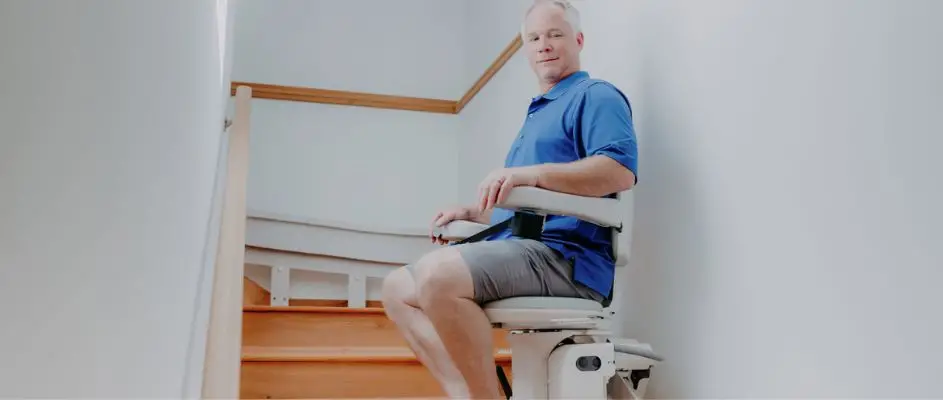
Mobility and accessibility home care franchises specialize in helping individuals live safely and independently in their own homes. Services typically include the design, installation, and servicing of accessibility products such as wheelchair ramps, stairlifts, vertical platform lifts, grab bars, walk in tubs, accessible showers, transfer aids, and home modifications. In many systems, services extend beyond physical installations to include care coordination, assessments, and ongoing support.
What distinguishes this sector from traditional home health care is its hybrid nature. These franchises combine aspects of home improvement, medical equipment supply, and personal care support. This allows franchisees to diversify revenue streams while avoiding some of the regulatory complexities associated with skilled nursing or medical treatment.
Mobility & Accessibility Home Care Franchise Opportunities USA benefit from several macro trends that are unlikely to reverse. Americans are living longer. The majority of seniors prefer aging in place rather than moving into assisted living facilities. Healthcare systems are pushing care out of hospitals and into homes. Insurance and veterans programs increasingly recognize home modifications as preventive healthcare. All of these factors support long term demand.
Investors researching Mobility & Accessibility Home Care Franchise Opportunities USA often compare care based models with other proven franchise categories before committing capital. To broaden your due diligence and identify complementary or alternative investment paths, explore these curated franchise listings:
• Franchise Opportunities in USA: https://franchisevoice.com/franchise-for-sale/united-states
• Franchise Opportunities in Canada: https://franchisevoice.com/franchise-for-sale/canada
Market Drivers Fueling Growth in the USA
The United States is entering a demographic shift that directly supports the growth of mobility and accessibility services. Adults aged 65 and older represent the fastest growing segment of the population. Millions of homes were built decades ago without accessibility features. Retrofitting these homes has become a necessity rather than a luxury.
Another major driver is the rise in chronic conditions and mobility limiting injuries across all age groups. Accessibility solutions are no longer limited to seniors. Veterans, individuals recovering from surgery, people with disabilities, and even parents caring for children with special needs are driving demand. This broad customer base stabilizes revenue and reduces seasonality.
Policy and funding trends also matter. Government programs, insurance reimbursements, veterans benefits, and community grants increasingly support home accessibility improvements. While franchisees must navigate these programs carefully, they provide additional sales channels and credibility.
Finally, local market fragmentation creates opportunity. Many accessibility providers remain small, owner operated businesses with limited branding or marketing reach. Well structured franchises with strong systems, vendor relationships, and local SEO strategies can quickly dominate regional markets.
Why Invest in Mobility & Accessibility Home Care Franchise Opportunities USA
From an investor perspective, this sector offers several advantages over traditional home services or senior care franchises. The average ticket size per project is often higher than cleaning or lawn care. Repeat business is common through maintenance contracts, upgrades, and referrals. Margins can be strong when installations are standardized and supplier pricing is centralized.
Operationally, many systems are semi absentee friendly. While hands on involvement is valuable during the early stages, mature franchisees often shift into sales, relationship management, and team leadership roles rather than daily installations. This makes the model attractive to professionals transitioning from corporate roles or investors managing multiple territories.
Brand trust plays a critical role in purchasing decisions. Families are cautious when selecting providers for accessibility solutions. Franchises that emphasize training, safety standards, and ethical sales practices tend to outperform independent operators. For investors, this brand trust translates into higher close rates and referral volume.
Most importantly, the mission driven nature of the business resonates with both customers and employees. Franchisees consistently report high job satisfaction from improving quality of life. In an era where purpose matters, this emotional return often complements financial performance.
Who Mobility & Accessibility Home Care Franchises Are For
Mobility & Accessibility Home Care Franchise Opportunities USA are best suited for a specific profile of investors and operators. Ideal candidates often include professionals with backgrounds in sales, construction management, healthcare administration, physical therapy, occupational therapy, or business ownership. However, technical experience is rarely mandatory due to franchisor training and standardized systems.
This sector appeals strongly to owner operators who want meaningful community impact without the burnout associated with hands on caregiving. It also attracts executive level investors seeking a scalable service business with defensible demand. Veterans and military families often find alignment with these brands due to shared customer bases and service oriented culture.
From a financial standpoint, these franchises typically require moderate startup capital compared to medical franchises or brick and mortar healthcare facilities. Many models operate without a retail storefront, reducing overhead and allowing faster market entry. Territories are often defined geographically, offering exclusivity and long term growth potential.
Core Business Models Explained
While all mobility and accessibility home care franchises share a common mission, their business models vary. Understanding these differences is essential when comparing opportunities.
Product focused franchises concentrate on selling and installing physical accessibility solutions. Revenue comes primarily from equipment sales and installation labor. These systems benefit from supplier partnerships, volume discounts, and standardized installation processes.
Service integrated franchises combine product installations with in home care services, assessments, or care coordination. This hybrid approach increases lifetime customer value but may involve additional staffing and compliance requirements.
Rapid response models emphasize speed and convenience, offering next day or emergency installations. These franchises often win business through responsiveness and partnerships with hospitals, rehabilitation centers, and discharge planners.
Premium consultative models focus on custom solutions and design driven accessibility. These brands position themselves as long term partners rather than transactional installers, often commanding higher margins.
Understanding which model aligns with your skills, risk tolerance, and market conditions is critical before investing.
Brand Overview and Market Positioning
The following brands represent some of the most recognized names within Mobility & Accessibility Home Care Franchise Opportunities USA. Each has carved out a distinct niche and operating philosophy.
101 Mobility
101 Mobility has built its reputation as a national leader in mobility solutions with a strong focus on stairlifts, ramps, lifts, and accessible home modifications. The brand emphasizes professionalism, fast response times, and comprehensive training. Its systems are designed to support franchisees in both sales and operations, making it accessible to first time owners. Credibility comes from its national footprint and consistent brand standards.
Amramp Accessibility
Amramp Accessibility specializes in modular wheelchair ramps and accessibility solutions designed for residential and commercial use. The brand is known for engineering driven products and a consultative sales approach. Franchisees benefit from proprietary systems and a clear value proposition centered on safety and compliance. Its credibility is rooted in decades of experience within the accessibility industry.
Next Day Access
Next Day Access focuses on speed, responsiveness, and full service accessibility solutions. The brand targets urgent needs such as hospital discharges and post surgery modifications. Franchisees operate with strong local marketing support and vendor relationships that enable rapid installations. Credibility comes from its emphasis on reliability and partnerships within healthcare ecosystems.
Green Light Mobility
Green Light Mobility positions itself around personalized service and community engagement. The brand often appeals to franchisees who value relationship based selling and long term customer support. Its model emphasizes assessments, tailored solutions, and ethical recommendations. Credibility is built through customer trust and localized service excellence.
Liftology
Liftology is known for its specialized focus on stairlifts and vertical mobility solutions. The brand leans into technical expertise and premium installation standards. Franchisees often operate lean teams with high average transaction values. Credibility comes from product specialization and technical training depth.
Hallmark Homecare
Hallmark Homecare bridges mobility solutions with broader in home care services. This integrated approach allows franchisees to serve clients across multiple stages of need. The brand emphasizes caregiver quality, training, and compliance alongside accessibility modifications. Credibility is rooted in its holistic care philosophy and established care systems.
A Better Solution In Home Care
A Better Solution In Home Care combines non medical home care services with accessibility support, creating a comprehensive aging in place solution. Franchisees benefit from diversified revenue streams and strong caregiver networks. Credibility comes from its focus on care continuity and family centered services.
Training, Support, and Franchise Systems
One of the strongest advantages of investing in Mobility & Accessibility Home Care Franchise Opportunities USA is the depth of franchisor support. Most established brands offer structured onboarding programs that cover sales processes, product knowledge, installation standards, safety protocols, marketing, and local business development.
Training often includes a combination of classroom sessions, hands on installations, ride alongs, and ongoing education. This is critical in a sector where safety and accuracy directly impact brand reputation.
Operational support typically extends to vendor relationships, inventory management systems, CRM platforms, lead generation strategies, and national marketing campaigns. Many franchisors provide local SEO frameworks, call handling support, and branded sales materials.
Ongoing support is equally important. Leading franchises offer coaching, performance benchmarking, peer networks, and regional meetings. This ecosystem helps franchisees avoid common mistakes and scale faster.
Financial Considerations and Revenue Potential
Financial performance in this sector varies widely based on territory size, execution quality, and local demographics. However, several patterns are consistent across Mobility & Accessibility Home Care Franchise Opportunities USA.
Startup investments are generally lower than clinical healthcare franchises, especially for models without retail locations. Working capital requirements are manageable when inventory is tightly controlled. Gross margins on products and installations can be attractive, particularly when franchisees optimize scheduling and supplier pricing.
Revenue is often project based, but recurring income can be generated through maintenance, service contracts, referrals, and repeat modifications. Some franchises develop strong referral pipelines from healthcare professionals, senior living advisors, and community organizations.
Break even timelines vary, but many operators report stabilization within the first one to two years when territories are actively developed. Multi territory expansion is common among top performers.
Territory Development and Local Market Strategy
Success in this sector depends heavily on local market execution. While national branding matters, customers ultimately choose providers based on trust, responsiveness, and local presence.
Territories are usually defined by population size and demographic density. Urban and suburban areas with high senior populations offer strong demand, but rural markets can also be profitable due to limited competition.
Local partnerships are critical. Franchisees who build relationships with hospitals, rehabilitation centers, physical therapists, occupational therapists, senior centers, and veterans organizations often outperform those relying solely on consumer marketing.
Digital visibility plays a growing role. Local search optimization, reputation management, and educational content help franchises capture inbound demand. This is where integrated platforms and internal link strategies add long term value.
Regulatory and Compliance Considerations
While mobility and accessibility franchises avoid many medical regulations, compliance still matters. Installation standards, building codes, safety certifications, and ethical sales practices are non negotiable. Franchisors typically provide guidance and updates, but franchisees must remain vigilant.
In integrated care models, additional licensing or compliance requirements may apply for caregiving services. Understanding these obligations before investing is essential.
Insurance, liability coverage, and worker safety protocols also require careful planning. Strong franchises address these areas proactively through training and standardized procedures.
Comparing Mobility & Accessibility Franchises to Other Home Care Models
Compared to traditional non medical home care franchises, mobility and accessibility models offer higher average transaction values and less staffing intensity. Compared to home improvement franchises, they benefit from more stable demand and emotional purchase drivers.
Unlike purely retail medical equipment suppliers, franchises in this space often provide consultative services that strengthen customer relationships and defensibility.
For investors evaluating multiple home service categories, Mobility & Accessibility Home Care Franchise Opportunities USA stand out for their balance of purpose, profitability, and scalability.
Scaling and Multi Unit Ownership
Many franchisees begin with a single territory and expand once systems are established. Multi unit ownership is particularly attractive in metropolitan regions where logistics and marketing can be centralized.
Franchisors that support multi territory development often provide additional training, performance incentives, and regional exclusivity. Investors with strong operational discipline and leadership skills can build regional platforms that generate long term enterprise value.
Exit strategies also matter. Established mobility franchises with strong financials and management teams are increasingly attractive to private buyers and strategic acquirers.
Internal Franchise Opportunities and Expansion Pathways
For investors exploring opportunities beyond the USA or considering cross border expansion, understanding broader franchise ecosystems is valuable. Platforms that aggregate vetted franchise opportunities allow for comparative analysis and long term planning.
Those interested in international diversification can explore Franchise Opportunities in Canada: https://franchisevoice.com/franchise-for-sale/canada to understand parallel markets and regulatory differences. Investors focused on domestic expansion can review Franchise Opportunities in USA: https://franchisevoice.com/franchise-for-sale/united-states for broader category insights and complementary brands.
These internal resources help investors benchmark mobility franchises against other home service and care opportunities without leaving the ecosystem.
Final Thoughts on Investing in Mobility & Accessibility Home Care Franchise Opportunities USA
Mobility & Accessibility Home Care Franchise Opportunities USA represent one of the most compelling segments within the modern franchise landscape. They are driven by irreversible demographic trends, supported by healthcare system shifts, and aligned with consumer preferences for aging in place.
For the right investor, these franchises offer more than financial returns. They provide a chance to build trusted local businesses that genuinely improve lives. Success requires commitment, ethical leadership, and community engagement, but the rewards can be significant.
As competition increases, choosing the right brand, territory, and support system becomes even more important. Investors who conduct thorough due diligence, understand their local markets, and leverage franchisor systems position themselves for long term success.
In a world where demand for accessibility is no longer optional, mobility focused home care franchises are not just a trend. They are a durable, mission driven business opportunity built for the future.
Inspired by Weed Man's growth story?
Explore franchise opportunities and build your own legacy.
Explore OpportunitiesGet the latest franchise insights
Subscribe to our newsletter and never miss an updated.