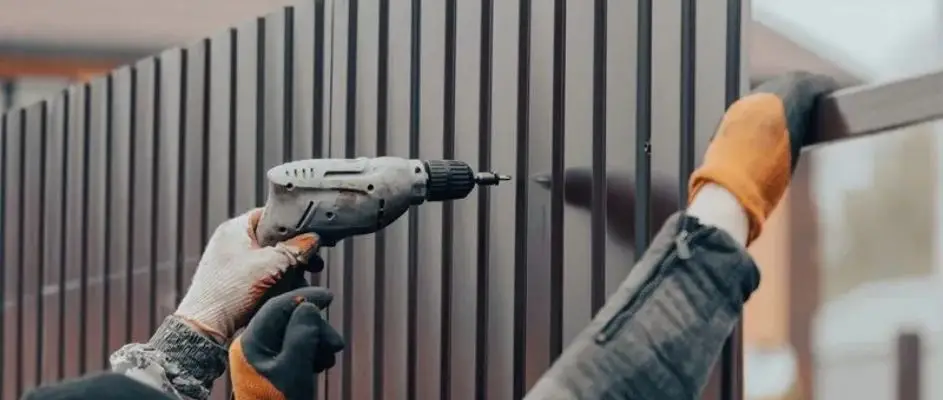
Introduction: Why Fencing and Outdoor Structures Are a High-Growth Home Services Category
Fencing and outdoor structures are no longer viewed as optional home upgrades. Across the United States, they have become essential investments tied to property value, security, privacy, lifestyle design, and commercial compliance. Residential homeowners install fences for safety, pets, and curb appeal. Commercial properties rely on fencing for zoning, liability protection, and access control. Outdoor structures such as pergolas, privacy screens, gates, railings, and custom enclosures now sit at the intersection of construction, landscaping, and outdoor living.
This demand shift has created a strong opportunity for entrepreneurs and investors seeking recession-resistant home services businesses. Fencing projects are driven by necessity as much as aesthetics. Storm damage, aging infrastructure, HOA requirements, new housing developments, and commercial expansion all fuel consistent demand regardless of economic cycles.
For franchise buyers, fencing and outdoor structures franchises offer a compelling mix of scalability, strong average ticket sizes, repeat business potential, and operational simplicity compared to more labor-intensive construction trades. With centralized branding, supplier relationships, training systems, and marketing support, modern fencing franchises allow owners to focus on sales, team leadership, and territory growth rather than learning trade skills from scratch.
This guide explores the fencing and outdoor structures home services franchise category in depth, with a focus on leading concepts such as 76 Fence, Superior Fence & Rail, Top Rail Fence, and Stand Strong Fencing. It is designed for serious buyers evaluating opportunities in the U.S. market and seeking a clear understanding of why this category continues to outperform many other home services segments.
Explore Franchise Opportunities
-
Franchise Opportunities in Canada: https://franchisevoice.com/franchise-for-sale/canada
-
Franchise Opportunities in USA: https://franchisevoice.com/franchise-for-sale/united-states
Understanding the Fencing & Outdoor Structures Franchise Model
At its core, a fencing and outdoor structures franchise operates as a project-based home services business. Revenue is generated through design, material supply, installation, repair, and replacement of fencing systems and related structures. Unlike general contracting, these franchises focus on a defined scope, which allows for streamlined training, predictable pricing models, and efficient operations.
Most fencing franchises serve both residential and commercial clients. Residential projects include privacy fences, decorative fencing, pet enclosures, gates, pergolas, and backyard structures. Commercial work may involve security fencing, industrial-grade installations, railings, access-controlled gates, and compliance-driven projects for schools, warehouses, municipalities, and multi-family properties.
Franchise owners typically do not perform installations themselves. Instead, they manage crews, oversee sales, coordinate scheduling, and maintain quality standards. This management-driven model appeals to investors who want operational control without being tied to physical labor.
Key elements of the model include centralized marketing systems, standardized quoting processes, supplier partnerships that reduce material costs, CRM tools for lead management, and defined training programs that shorten the learning curve for new owners.
Market Demand and Industry Growth in the USA
The fencing and outdoor structures market in the United States has experienced sustained growth over the past decade. Several macro trends support long-term demand.
Residential housing growth remains a primary driver. New subdivisions, townhomes, and mixed-use developments require fencing for property delineation and HOA compliance. At the same time, aging housing stock creates ongoing replacement demand as older wood and chain-link fences deteriorate.
Outdoor living trends have also reshaped consumer priorities. Homeowners increasingly invest in their backyards as extensions of living space. Pergolas, privacy screens, custom gates, and decorative fencing enhance usability and resale value.
On the commercial side, regulations related to safety, security, and accessibility continue to tighten. Businesses and municipalities must meet fencing and railing standards, creating non-discretionary spending even during economic slowdowns.
Weather events further reinforce demand. Storms, high winds, flooding, and temperature extremes damage fencing systems, leading to insurance-driven repairs and replacements.
Together, these factors make fencing and outdoor structures one of the most stable segments within the broader home services industry.
Why Franchising Works in the Fencing Industry
Independent fencing contractors exist in nearly every market, but franchised brands hold several competitive advantages that are increasingly important.
First, branding and trust matter. Homeowners and commercial clients prefer established brands with clear processes, warranties, and accountability. A recognizable franchise brand reduces friction in the sales process and improves close rates.
Second, purchasing power improves margins. Franchise systems negotiate national or regional supplier agreements that lower material costs. In a material-heavy business like fencing, even small percentage savings can significantly impact profitability.
Third, standardized systems improve scalability. From estimating software to installation guidelines, franchises provide repeatable processes that allow owners to grow beyond a single crew or territory.
Finally, marketing sophistication differentiates franchise operators. National marketing strategies, digital lead generation systems, and local SEO frameworks outperform what most independent operators can build alone.
For entrepreneurs seeking to enter the fencing space without starting from zero, franchising offers a faster and lower-risk path to scale.
Who These Franchises Are Best Suited For
Fencing and outdoor structures franchises attract a wide range of buyers, but certain profiles tend to perform especially well.
They are well suited for owner-operators with sales, management, or construction-adjacent experience who want a structured business with room to grow. Many successful owners come from backgrounds in real estate, home services, B2B sales, logistics, or project management.
Semi-absentee and executive investors also find this category appealing. With the right general manager or operations lead, fencing franchises can be run at a strategic level, focusing on expansion, commercial accounts, and multi-territory ownership.
Veterans often excel in this space due to their leadership skills, process discipline, and comfort managing teams in operational environments.
Importantly, these franchises are not limited to trade professionals. Most systems are designed to teach fencing concepts from the ground up, allowing owners to focus on running the business rather than mastering installation techniques.
Core Services Offered by Fencing & Outdoor Structures Franchises
While offerings vary by brand and territory, most fencing franchises provide a comprehensive suite of services that create multiple revenue streams.
Residential fencing remains the foundation. This includes wood privacy fencing, vinyl fencing, aluminum and steel fencing, ornamental designs, and chain-link installations. Gates and access features often add incremental revenue.
Outdoor structures expand the average project size. Pergolas, arbors, privacy screens, railings, and custom enclosures allow franchisees to upsell and differentiate their offerings.
Commercial fencing introduces higher-volume contracts. Security fencing, industrial barriers, athletic field enclosures, and compliance-driven installations often involve repeat clients and long-term relationships.
Repair and replacement services provide recurring revenue. Fence damage, rot, storm impact, and wear create ongoing service demand beyond new installations.
Together, these services allow franchisees to balance residential and commercial work while maintaining consistent cash flow year-round.
Brand Overview: 76 Fence
76 Fence has built its reputation as a modern, technology-forward fencing franchise focused on operational efficiency and brand consistency. The brand emphasizes professional presentation, streamlined customer experiences, and data-driven decision-making.
The concept appeals to owners who value systems and structure. From lead intake to quoting and installation management, processes are designed to reduce friction and increase close rates. The brand positions itself as a premium yet accessible option in residential and light commercial fencing.
Training programs typically focus on sales excellence, operational workflows, and customer service standards. This allows franchisees to build teams quickly while maintaining quality control.
76 Fence is particularly attractive in suburban and growth markets where homeowners prioritize aesthetics, reliability, and transparency when selecting contractors.
Brand Overview: Superior Fence & Rail
Superior Fence & Rail is one of the more established names in the fencing franchise space, known for its broad service offerings and strong supplier relationships. The brand serves both residential and commercial markets with a wide range of fencing materials and styles.
A key strength of this concept lies in its operational depth. Franchisees benefit from refined installation standards, procurement systems, and project management frameworks developed over years of market experience.
Superior Fence & Rail often appeals to buyers interested in larger territories and multi-crew operations. Its ability to handle complex commercial projects alongside residential work makes it suitable for owners seeking scale and diversification.
The brand’s emphasis on training and ongoing support helps franchisees navigate local regulations, permitting processes, and quality assurance requirements.
Brand Overview: Top Rail Fence
Top Rail Fence differentiates itself through a strong focus on customer education, design consultation, and professionalism. The brand emphasizes helping customers choose the right fencing solution based on function, budget, and long-term value.
This consultative approach resonates with homeowners who are overwhelmed by options and want expert guidance. Franchisees are trained to position themselves as advisors rather than commodity installers.
Top Rail Fence supports owners with marketing systems, sales training, and operational playbooks that align with this advisory positioning. The brand performs well in markets where homeowners prioritize quality and long-term relationships over lowest-price bids.
For franchise buyers who enjoy consultative sales and customer interaction, this concept offers a compelling fit.
Brand Overview: Stand Strong Fencing
Stand Strong Fencing has carved out a niche by emphasizing durability, craftsmanship, and reliability. The brand name itself communicates strength and resilience, qualities that resonate with both residential and commercial clients.
This concept often highlights robust installation practices, material quality, and long-term performance. Franchisees are positioned to compete on value rather than price alone, appealing to customers who want fences that last.
Stand Strong Fencing supports owners with training focused on operational discipline, quality control, and reputation management. It is particularly well suited for markets with challenging weather conditions or higher commercial demand.
Revenue Drivers and Profitability Considerations
Fencing and outdoor structures franchises benefit from several favorable economic characteristics.
Average project sizes are relatively high compared to many home services categories. A single residential fence installation can represent a substantial revenue opportunity, while commercial contracts can significantly boost monthly performance.
Material costs are predictable, allowing for standardized pricing models. Franchise systems often provide pricing guidelines that balance competitiveness with margin protection.
Labor can be scaled with demand. Crews can be added or adjusted based on seasonality and growth objectives, giving owners flexibility in managing expenses.
Upselling and cross-selling increase lifetime customer value. Gates, upgrades, repairs, and outdoor structures expand revenue beyond the initial project.
Profitability ultimately depends on sales execution, crew efficiency, and material cost control, all areas where franchise systems provide support and proven frameworks.
Training, Support, and Systems
One of the most significant advantages of franchising in this category is access to structured training and ongoing support.
Initial training typically covers fencing fundamentals, sales processes, estimating, operations, marketing, and customer service. Even owners with no prior industry experience can become proficient quickly.
Ongoing support often includes marketing campaigns, technology updates, vendor negotiations, operational coaching, and peer networking. Many systems provide ongoing field support to help franchisees improve performance.
Technology plays a growing role. CRM systems, scheduling tools, and digital estimating platforms streamline operations and improve customer experience.
For owners focused on growth, these systems reduce trial-and-error and allow faster scaling.
Local Market Dynamics and Territory Potential
Success in fencing franchises is heavily influenced by local market conditions.
Suburban growth markets with active housing development tend to perform especially well. HOA-driven demand, new construction, and family-oriented neighborhoods create consistent fencing needs.
Urban and infill markets offer commercial opportunities but may involve more regulatory complexity. Strong franchisor support is particularly valuable in navigating these environments.
Climate also matters. Regions with extreme weather see higher repair and replacement demand, while mild climates often support steady new installations.
Territory design is critical. Well-defined territories protect franchisees from internal competition and allow focused local marketing efforts.
Marketing and Lead Generation Advantages
Franchise systems provide a marketing edge that is difficult for independents to match.
National brand positioning builds credibility before the first sales call. Local digital marketing frameworks improve visibility in search results and map listings.
Professional branding, consistent messaging, and customer reviews support higher conversion rates.
Many franchises also provide tools for tracking lead sources, measuring ROI, and optimizing campaigns over time.
For owners without a marketing background, this support significantly reduces the learning curve.
Comparing Fencing Franchises to Other Home Services Categories
When compared to other home services franchises, fencing and outdoor structures offer a balanced profile.
They require less specialized licensing than some trades while offering higher ticket sizes than routine maintenance services.
They avoid some of the emergency-driven stress seen in plumbing or HVAC while still benefiting from necessity-driven demand.
Seasonality exists but can be managed through commercial work, repairs, and diversified offerings.
Overall, fencing franchises strike a strong balance between operational complexity and revenue potential.
Risks and Challenges to Consider
No business is without risk, and fencing franchises are no exception.
Weather can impact scheduling and seasonality. Strong operational planning is needed to manage cash flow during slower periods.
Labor availability can be a challenge in some markets. Effective recruiting, training, and retention strategies are essential.
Competition from local contractors exists, making branding and professionalism critical differentiators.
Franchise buyers should evaluate local demand, territory structure, and franchisor support carefully before committing.
How to Evaluate a Fencing Franchise Opportunity
Serious buyers should conduct thorough due diligence.
Review the franchisor’s training programs, supplier relationships, and operational support.
Understand territory size, market saturation, and growth potential.
Assess your own goals. Decide whether you want to be hands-on, semi-absentee, or focused on multi-unit growth.
Speak with existing franchisees to understand day-to-day operations and performance drivers.
A disciplined evaluation process increases the likelihood of long-term success.
Strategic Fit Within a Broader Franchise Portfolio
For investors building a portfolio of home services businesses, fencing franchises complement other categories well.
They align with landscaping, painting, restoration, and outdoor living concepts.
Cross-marketing opportunities can enhance overall customer lifetime value.
Multi-brand operators benefit from shared management infrastructure and marketing efficiencies.
This makes fencing franchises attractive not only as standalone investments but also as part of a broader growth strategy.
Explore Franchise Opportunities by Market
Franchise Opportunities in Canada: https://franchisevoice.com/franchise-for-sale/canada
Franchise Opportunities in USA: https://franchisevoice.com/franchise-for-sale/united-states
Final Thoughts: Why Fencing & Outdoor Structures Franchises Deserve Serious Consideration
Fencing and outdoor structures home services franchises represent one of the most compelling opportunities in the U.S. franchise market today. They combine stable demand, strong average ticket sizes, scalable operations, and broad customer appeal.
Brands like 76 Fence, Superior Fence & Rail, Top Rail Fence, and Stand Strong Fencing demonstrate how professional systems, training, and branding can transform a traditional trade into a modern, growth-oriented business.
For entrepreneurs and investors seeking a proven path into home services with long-term relevance, this category offers a rare blend of resilience and upside.