Taco John’s Targets Nontraditional Franchise Growth
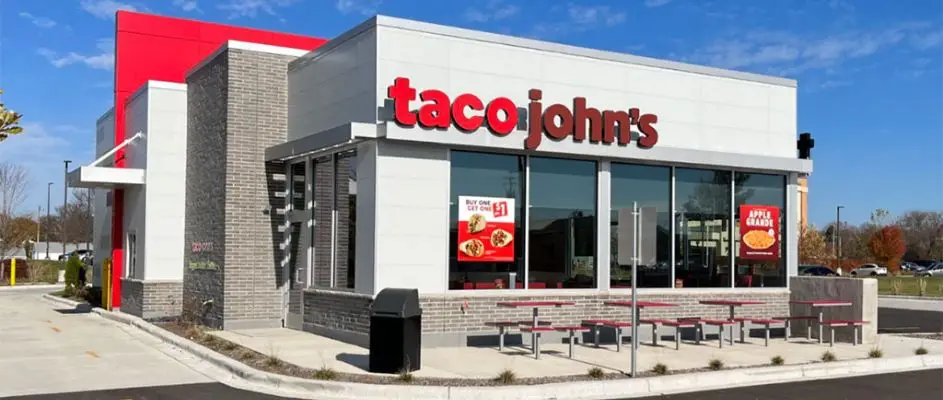
Taco John’s Looks to Nontraditional Growth Under New Development Leader
Ian Poole Brings Franchise and QSR Experience to Taco John’s
Taco John’s is aiming to strengthen its franchise growth strategy with Ian Poole, the brand’s new vice president of development, leading the charge.
Poole joined the Mexican-inspired quick-service restaurant chain with experience on both the franchisor and franchisee sides of the business. Less than a month into the role, he is already focused on one major priority: improving franchisee profitability.
Profitability Is the Core Development Goal
For Poole, the immediate target is not simply opening more restaurants. It is building a smarter, more profitable growth model for Taco John’s franchisees.
He said the company plans to do that through value engineering, lowering buildout costs and creating more attractive opportunities for franchise partners. By reducing the cost of development, Taco John’s can better identify, recruit and support franchisees who are positioned to grow with the brand.
Poole said he is excited to work with the leadership team to help grow a legacy brand with stronger economics and a clearer development path.
Taco John’s Works to Reverse Unit Declines
Taco John’s has faced recent pressure on its restaurant count. According to the brand’s franchise disclosure document, the system reported a net loss of 13 units last year and a decline of 24 units in 2024.
The chain currently has around 335 locations and is now looking for new ways to rebuild momentum.
Nontraditional Venues Offer New Expansion Potential
One of the biggest opportunities Poole sees is nontraditional growth. Taco John’s is targeting locations such as convenience stores, airports, universities and travel centers.
These venues may suit the brand because of its speed, operational simplicity and food quality. Poole believes Taco John’s can compete strongly in these settings by serving customers efficiently while maintaining the brand’s product standards.
Data-Driven Growth Will Guide Market Decisions
Taco John’s nontraditional strategy is part of a wider systemwide push toward data-led development.
Poole describes the company’s growth approach as “part art and part science.” The science includes using artificial intelligence and demographic reporting to evaluate market opportunities. The art comes from applying discipline, judgment and franchisee support when deciding where and how to grow.
The brand is also using optimized menus and marketing designed for smaller, nontraditional footprints to help franchisees operate effectively in these venues.
Upper Midwest Remains a Priority Region
Taco John’s plans to continue building from its core markets, especially in the Upper Midwest, where the brand already has strong market awareness.
Poole said existing operators are developing new restaurants, and the company is focused on growing in established markets first before expanding outward. He noted that the brand is not pursuing high-velocity growth right now, but is building toward stronger expansion over time.
Franchisee Perspective Shapes Poole’s Leadership
Poole’s background gives him a practical view of franchise development. Before joining Taco John’s, he worked with Ambrosia QSR, a franchisee group operating more than 200 Burger King, Arby’s and Popeyes restaurants.
He also served as Subway’s vice president of development and held leadership roles with Dunkin’ and Planet Fitness.
Poole said working on the franchisee side gave him valuable insight into running restaurants while working with a franchisor. That experience now helps him make decisions centered on franchisee profitability.
Taco John’s Targets Up to 10 Openings This Year
Taco John’s is aiming to open up to 10 new units this year. Poole expects two or three of those openings to be nontraditional locations, with hopes that number can grow as the brand continues to test and accelerate the model.
Although there is still significant work ahead, Poole sees major opportunity for Taco John’s to grow through smarter development, stronger franchisee economics and new location formats.
Inspired by Weed Man's growth story?
Explore franchise opportunities and build your own legacy.
Explore OpportunitiesGet the latest franchise insights
Subscribe to our newsletter and never miss an updated.